

Blog
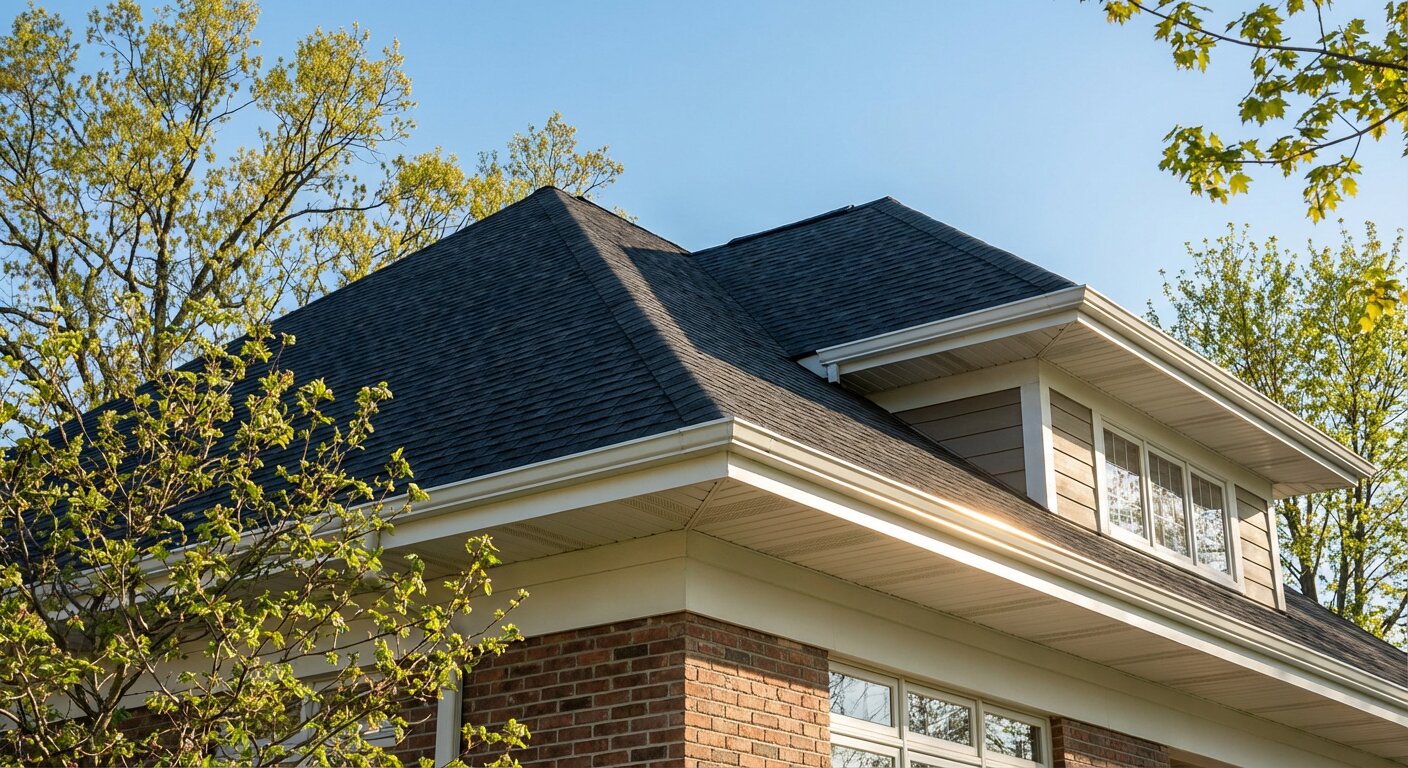
When Rochester homeowners think about roof problems, they usually picture missing shingles, leaks, or ice dams. Ventilation rarely comes to mind. But poor roof ventilation is one of the most common and most damaging issues affecting homes across Western New York — and most people do not realize they have a problem until expensive damage has already occurred.
Proper ventilation keeps air flowing through your attic, regulating temperature and moisture levels year-round. When that airflow is restricted, the consequences show up in ways that are easy to misdiagnose: premature shingle failure, ice dams, mold growth, and skyrocketing energy bills.
If your home has experienced any of these issues, ventilation may be the underlying cause. The best way to find out is to schedule a professional roof and attic evaluation.
How Roof Ventilation Works
A properly ventilated roof relies on a simple principle: cool air enters through intake vents (typically at the soffits) and warm air exits through exhaust vents (such as ridge vents or roof-mounted vents) near the peak.
This continuous airflow cycle does two critical things:
- In winter, it keeps the roof deck cold, preventing snow from melting unevenly and refreezing into ice dams
- In summer, it removes trapped heat from the attic, reducing cooling costs and protecting shingles from baking from below
When either the intake or exhaust side is blocked or insufficient, the system fails — and problems begin to develop silently.
What Happens When Ventilation Fails in Rochester’s Climate
Rochester’s weather makes ventilation failures especially punishing. The combination of heavy snowfall, extended freezing temperatures, and humid summers creates year-round stress on under-ventilated attics.
Common consequences include:
- Ice dams: Warm attic air melts snow on the upper roof. Water runs down to the cold eaves and refreezes, creating ice ridges that force water under shingles.
- Moisture buildup: Warm, moist air trapped in the attic condenses on cold surfaces, leading to mold, mildew, and wood rot on rafters and decking.
- Premature shingle aging: Excessive attic heat in summer superheats shingles from underneath, causing them to curl, crack, and lose granules years ahead of schedule.
- Higher energy bills: In summer, a poorly ventilated attic can reach 150 degrees or more, forcing your air conditioning to work far harder than necessary.
- Insulation degradation: Moisture from condensation reduces insulation effectiveness, compounding heating and cooling losses.
Many homeowners treat these symptoms individually without ever addressing the ventilation issue driving them.
Signs Your Roof May Have a Ventilation Problem
Ventilation issues are not always obvious. But there are several warning signs Rochester homeowners should watch for:
- Ice dams forming along eaves during winter
- Uneven snow melt patterns on the roof
- Musty or damp smell in the attic
- Visible mold or dark staining on attic wood
- Excessively hot upstairs rooms in summer
- Shingles that appear aged or deteriorated ahead of their expected lifespan
- Peeling exterior paint near the roofline
- Frost or condensation on the underside of the roof deck in winter
If you are noticing any of these signs, it is worth having a professional assess your attic ventilation. You can request a free inspection to determine whether ventilation is contributing to ongoing issues.
Common Ventilation Mistakes in Older Rochester Homes
Many homes in the Rochester area were built decades ago when ventilation standards were different. Over time, renovations and insulation upgrades can further compromise airflow without anyone realizing it.
Frequent issues include:
- Blocked soffit vents: Insulation blown into the attic often covers soffit openings, cutting off intake air entirely.
- Insufficient exhaust vents: Many older homes rely on small gable vents or a single roof vent that cannot move enough air for the attic volume.
- Mixed ventilation types: Combining powered fans with passive ridge vents can create short circuits in airflow, pulling air from the wrong places.
- Sealed attic spaces: Well-intentioned air sealing projects sometimes eliminate necessary ventilation pathways.
Correcting these issues is often straightforward and far less expensive than the damage they cause over time.
How Ventilation and Insulation Work Together
Ventilation and insulation are two halves of the same system. Insulation slows heat transfer between your living space and the attic. Ventilation removes the heat and moisture that still makes it through.
When one is working and the other is not, problems emerge. A well-insulated attic with no ventilation traps moisture. A well-ventilated attic with poor insulation wastes energy.
For Rochester homes, the ideal combination is proper ventilation paired with high-performance insulation such as closed cell spray foam, which acts as both a thermal barrier and a moisture barrier.
If you are considering insulation upgrades, ventilation should always be evaluated at the same time. Schedule a combined roofing and insulation assessment to ensure both systems are working together.
The Cost of Ignoring Ventilation
Ventilation problems rarely announce themselves with a dramatic leak or visible failure. Instead, they cause slow, compounding damage that adds up over years.
Homeowners who ignore ventilation issues often face:
- Premature roof replacement — sometimes 5 to 10 years early
- Mold remediation costs in the thousands
- Structural repairs to rotted decking or rafters
- Repeated ice dam damage each winter
- Ongoing energy waste
Fixing ventilation proactively is one of the most cost-effective investments you can make in your home’s long-term health.
What a Proper Ventilation Assessment Looks Like
A qualified roofing professional will evaluate your entire attic system, including:
- Soffit and intake vent condition and airflow
- Exhaust vent type, placement, and capacity
- Attic temperature and moisture levels
- Insulation coverage and condition
- Roof deck integrity
- Signs of past or current moisture damage
Based on the assessment, they can recommend targeted improvements — whether that means adding soffit baffles, upgrading to a continuous ridge vent, or addressing insulation gaps.
Take Control Before the Next Rochester Winter
Spring and summer are the ideal time to address ventilation issues. Contractors have more availability, conditions allow for thorough inspections, and you have time to complete any needed work before snow returns.
If your home has experienced ice dams, moisture issues, or unexplained shingle wear, ventilation may be the missing piece of the puzzle.
Get ahead of the problem now — before another Rochester winter puts your roof to the test.
Schedule Your Free Roof and Ventilation Assessment Today
Your roof is only as strong as the system behind it. Make sure ventilation is not the weak link.
‹ Back
Recent Posts
-

Why Fall Is the Best Season for a Roof Replacement in Rochester
September 17, 2026
-
Gutter Guards Before Leaf Season: Are They Worth It in Rochester?
September 10, 2026
-
Fall Roof Maintenance Checklist for Rochester, NY Homeowners
September 3, 2026
-
-
Summer Maintenance for Commercial Flat Roofs in Rochester, NY
August 21, 2026
