

Blog
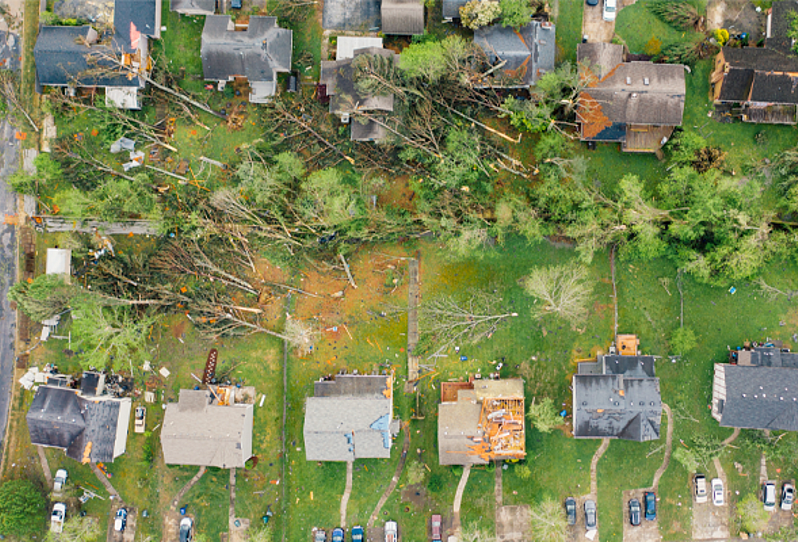
Roof damage rarely announces itself on a convenient schedule. It happens at night during a windstorm, during the first heavy rain of spring after a winter that finally pushed your old roof past its limit, or during a summer hailstorm that leaves your neighborhood looking like a war zone. When it happens, homeowners need to act decisively but carefully — taking the right steps in the right order can mean the difference between a manageable repair and catastrophic interior water damage.
This guide walks Rochester homeowners through exactly what to do when roof damage occurs, from the immediate steps to protect your home, through the insurance claim process, to working with a qualified roofing contractor to restore your roof properly.
Step 1: Prioritize Safety Above Everything Else
When a storm hits or you discover sudden roof damage, the instinct to go assess the situation immediately is understandable — but safety must come first. Do not go onto the roof during or immediately after a storm. Wet roofs are treacherous, and structural damage you cannot see from the ground could make sections unsafe to walk on.
If you have visible water entering the home through the ceiling, place buckets to catch it and move valuables and furniture out of the affected area. If there is any concern about structural integrity — a tree has fallen on the roof, or there is visible sagging — evacuate the affected area of the home and call a professional before re-entering.
After the immediate storm has passed and conditions are safe, you can begin your ground-level assessment.
Step 2: Document Everything Before Any Cleanup
Before you remove debris, cover anything, or make any changes to the affected area, document the damage thoroughly with photos and video. Use your smartphone to capture:
- The exterior of the roof from multiple angles, including any visible missing shingles, damaged flashing, or structural deformation
- Any interior water damage — ceiling stains, water pooling on floors, damaged walls or insulation
- Debris on the roof or in the yard that came from the roof itself
- The date and time of the photos, which your phone records automatically in the file data
This documentation is critically important for your insurance claim. The more thorough your pre-cleanup documentation, the stronger your claim position will be.
Step 3: Perform Emergency Temporary Measures to Prevent Further Damage
Your obligation as a homeowner is to take reasonable steps to prevent additional damage after the initial event. Insurance companies expect this, and failure to do so can complicate your claim. Temporary protective measures include:
- Tarping: Heavy-duty tarps secured over exposed areas of the roof can prevent rain from entering while you wait for a contractor. If you are not comfortable getting on the roof yourself, call a roofing contractor for emergency tarping service.
- Covering broken skylights or roof windows with plywood or plastic sheeting temporarily
- Sealing interior openings with plastic sheeting to protect belongings from water while work is scheduled
Sunset Roofing provides 24/7 emergency roofing response throughout Rochester and Western New York. Our team can respond quickly to install temporary protection, assess damage, and stabilize your roof before permanent repairs are made.
Step 4: Call Your Insurance Company
Contact your homeowner's insurance company as soon as possible after documenting the damage. Most policies cover sudden, accidental damage from storms — wind, hail, falling trees, and similar events — but the specific coverage depends on your policy. When you call, have the following information ready:
- The date and cause of the damage
- A description of the visible damage
- Your photos and video documentation
- Any receipts or records of temporary protective measures you have taken
The insurance company will assign an adjuster to assess the damage. You have the right to have a roofing contractor present during the adjuster's inspection to advocate for a thorough and accurate assessment. Request this proactively — it can make a meaningful difference in the outcome of your claim.
Understanding What Your Policy Covers
Standard homeowner's insurance policies typically cover sudden storm damage but exclude damage caused by neglect or normal wear and tear. This is why maintaining a documented record of regular roof inspections and maintenance matters: it demonstrates that your roof was being actively cared for, which strengthens your position if an insurer attempts to attribute damage to pre-existing deterioration rather than the storm event.
Our roofing maintenance program includes written documentation of each inspection, which can be valuable in exactly this situation.
Step 5: Get a Professional Damage Assessment
Once temporary protection is in place and your insurance claim is initiated, schedule a professional damage assessment from a licensed roofing contractor. This is not the same as the insurance adjuster's visit — it is an independent evaluation of the full extent of the damage by someone who installs and repairs roofs for a living.
A thorough professional assessment will document:
- The full extent of damaged or missing shingles
- Damage to underlayment, decking, and structural components
- Flashing damage at chimneys, valleys, and penetrations
- Gutter damage and any impact on drainage
- Interior moisture intrusion related to the roof damage
At Sunset Roofing, our team provides detailed written assessments with photographs that document every area of concern. This report serves both as a repair plan and as supporting documentation for your insurance claim.
Common Types of Emergency Roof Damage in Rochester
Wind Damage
Rochester and Western New York experience significant wind events throughout the year, and high winds are the most common cause of acute roofing damage in the region. Wind damage typically manifests as missing shingles, lifted flashing, damaged ridge caps, and debris impacts. Older roofs with brittle, dried-out shingles are disproportionately vulnerable to wind damage because the sealant strips that bond shingles together degrade over time.
Hail Damage
Hail damage is often subtle and difficult for non-professionals to assess accurately. Hailstones bruise asphalt shingles by knocking off granules in circular impact patterns, weakening the shingle at those points. This damage may not immediately cause leaks, but it accelerates the deterioration of the shingle significantly. A professional inspection after any significant hail event is worthwhile, particularly since hail damage is typically covered by insurance.
Ice Dam Damage
Ice dams form when heat escaping from the living space melts snow on the upper portions of the roof, and that meltwater then refreezes at the colder eaves. As ice builds up, it traps water behind it, which can back up under shingles and into the home. Ice dam damage often results in water stains on interior ceilings, damaged insulation, and moisture damage to the roof deck and rafters. Proper attic insulation and ventilation are the long-term solution to recurring ice dam problems.
Tree and Debris Impact
Falling branches and trees during storms are among the most dramatic forms of roof damage and can create large openings that require immediate tarping and significant structural repair. If a tree or large branch has impacted your roof, do not attempt to remove it yourself — depending on where and how it is resting, the branch or tree may be providing some structural support to the damaged area. Contact a professional roofing team and, if necessary, a tree service that can coordinate safe removal.
Step 6: Schedule and Complete Permanent Repairs
Once the insurance claim is settled and a repair scope is agreed upon, permanent repairs should be scheduled as promptly as possible. Temporary tarps and emergency measures are not long-term solutions — they degrade quickly and do not provide the waterproof protection of a proper roofing system.
Work with a contractor who uses quality materials appropriate for Rochester's climate, who is properly licensed and insured, and who provides a written warranty on both materials and workmanship. Beware of storm chasers — contractors who follow severe weather events from region to region offering discount repairs. These contractors typically offer limited accountability and may not be around to honor warranty claims if problems emerge later.
Sunset Roofing is a locally owned and operated business that has served Rochester for over 35 years. We stand behind our work with industry-leading warranties and our reputation in this community. Our residential roofing and commercial roofing teams handle everything from targeted storm repairs to full roof replacements.
Preventing Future Emergency Situations
While not every storm event can be anticipated, proactive maintenance dramatically reduces both the frequency and severity of emergency roof situations. Roofs that are regularly inspected and maintained are more likely to withstand storm conditions, and any vulnerabilities that do exist are identified and addressed before they become emergency situations.
Sunset Roofing recommends scheduling a professional roof maintenance inspection twice per year — once in spring after winter and again in fall before the next cold season. This simple investment provides substantial protection against the unexpected and keeps your roof performing at its best year-round.
Contact Sunset Roofing for Emergency Roof Help
If your roof has been damaged by a storm, a fallen tree, or any other sudden event, do not wait. The faster you act, the less secondary water damage your home will sustain. Contact Sunset Roofing for emergency service throughout Rochester and Western New York, or call our team directly at 585-538-6086. We respond quickly, communicate clearly, and work to restore your roof and your peace of mind as efficiently as possible.
‹ Back
Recent Posts
-
Gutter Guards Before Leaf Season: Are They Worth It in Rochester?
September 10, 2026
-
Fall Roof Maintenance Checklist for Rochester, NY Homeowners
September 3, 2026
-
-
Summer Maintenance for Commercial Flat Roofs in Rochester, NY
August 21, 2026
-
Cool Roofs and Energy Efficiency for Rochester Homes
August 15, 2026
