
Blog
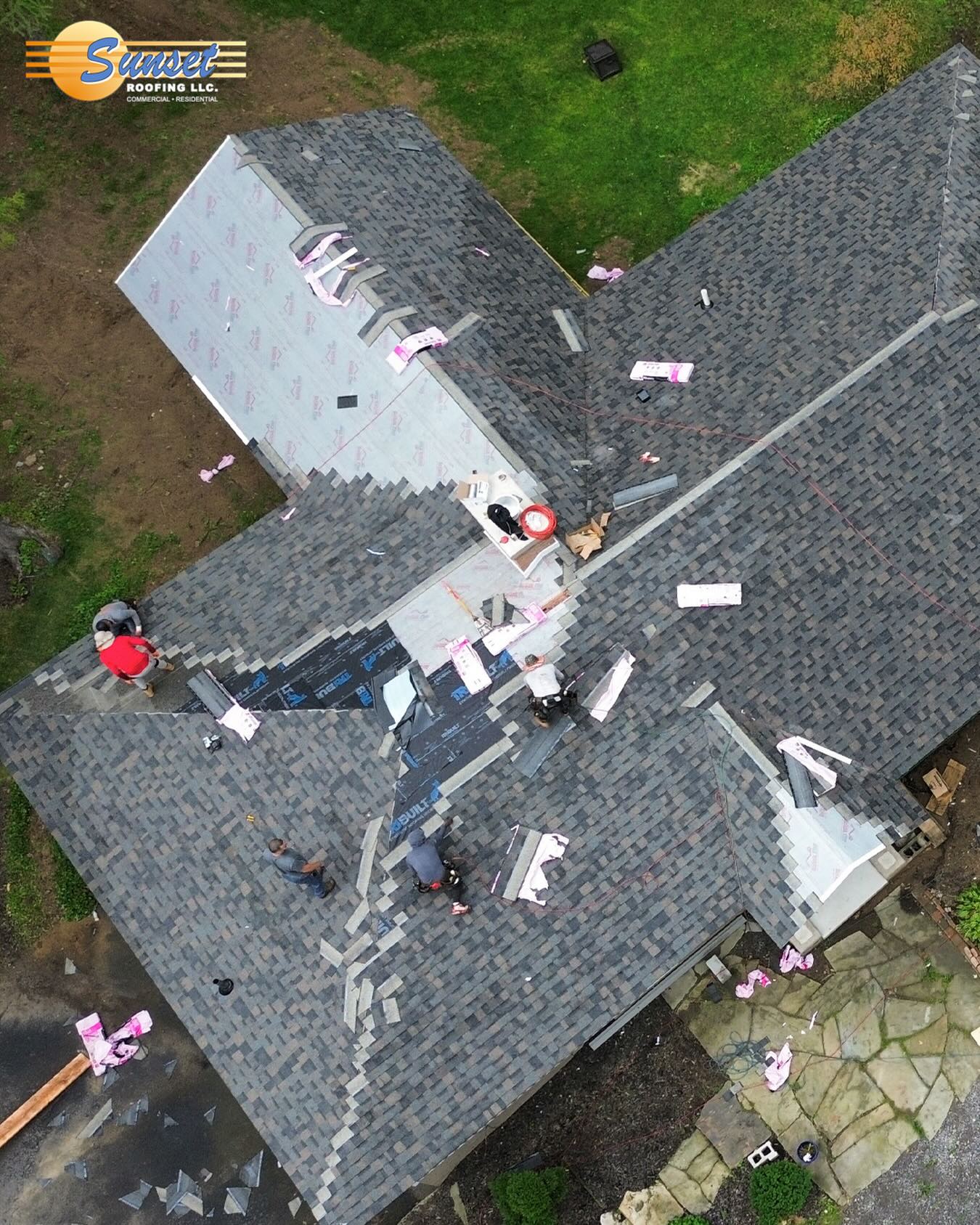
In Rochester, fall is the most consequential season for your roof, not because of what happens during it, but because of what comes after. The roof that heads into a Western New York winter in sound condition will handle the snow load, the ice, and the relentless freeze-thaw cycling far better than one carrying unaddressed problems into the cold. Fall is the last clear window to find and fix those problems before winter makes them worse and makes the work harder.
The good news is that a fall roof readiness check is straightforward, and much of it can be approached methodically. Some of it a careful homeowner can observe from the ground; the rest is best left to a professional who can safely access the roof and knows what early-stage trouble looks like. Either way, the goal is the same: enter winter with no surprises.
This article is a practical fall maintenance checklist for Rochester homeowners, covering what to look at, what to address, and why each item matters before the snow flies.
Why Fall Preparation Matters So Much Here
Rochester winters are uniquely demanding on roofs, and the problems they cause are far easier to prevent in the fall than to fix in January.
Once winter sets in, a small existing problem becomes a large one. A lifted shingle that would have been a five-minute fix in October becomes an entry point for wind-driven snow. A clogged gutter becomes an ice dam. A minor flashing gap becomes a leak that runs all season behind the wall. And repairs themselves become far harder, because cold makes shingles brittle, snow and ice block access, and short days limit working time. A problem caught in fall is cheap and easy; the same problem in deep winter is neither.
Fall preparation, in short, is about converting winter from a threat into a non-event. The roof that is ready for winter simply does its job, quietly, all season long.
The Fall Roof Checklist
A thorough fall readiness check covers the roof surface, the drainage, the penetrations, and the attic.
Inspect the shingles. Look for missing, cracked, curling, or lifted shingles, and for areas of significant granule loss. Any shingle that is not lying flat and sealed is a vulnerability heading into wind and snow season. These are best addressed before the first storm.
Clear and check the gutters. Gutters full of leaves and debris cannot drain, and a gutter that cannot drain in winter is a primary cause of ice dams. Clear them completely, confirm water flows to the downspouts, and check that downspouts carry water well away from the foundation. In Rochester, clean gutters going into winter are one of the most important defenses against ice damage.
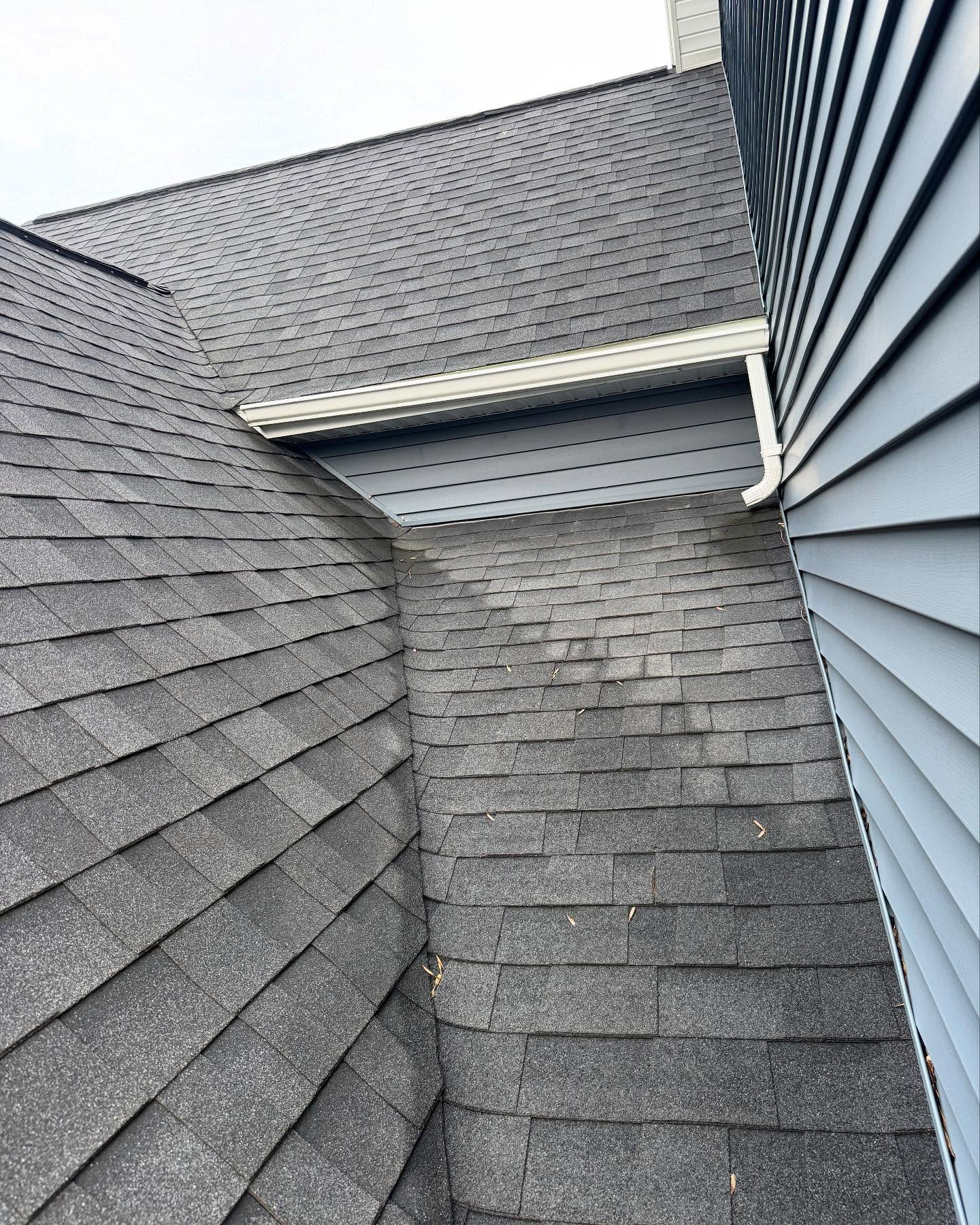
Examine the flashing. Check the flashing around chimneys, vents, skylights, and any roof penetrations for gaps, lifting, rust, or failed sealant. These intersections are the most common leak points, and the freeze-thaw cycle exploits any weakness mercilessly.
Check the attic. From inside, look for any signs of existing leaks, such as staining, dampness, or daylight, and assess the insulation and ventilation. Proper attic ventilation and insulation are what prevent the ice dams that form when an unevenly warmed roof melts snow that then refreezes at the cold eaves.
Trim overhanging branches. Branches that hang over the roof drop debris, hold moisture, and become a hazard under snow and ice load. Cutting them back before winter protects both the roof surface and the gutters.
A professional inspection covers all of this safely and thoroughly, and catches the early-stage issues that are easy to miss from the ground. Request a free fall roof inspection and head into winter knowing exactly where your roof stands.
Addressing What You Find
Finding an issue in the fall is good news, because it means you have the time and conditions to fix it properly before it matters.
Minor repairs, such as replacing a few damaged shingles, resealing a section of flashing, or clearing and re-securing gutters, are quick and inexpensive when handled in the fall, and they head off the far larger problems those small issues would become over winter. More significant findings, such as widespread shingle deterioration or a failing flashing system, are worth addressing now while the weather still allows good work, rather than discovering them mid-winter when options narrow.
The worst outcome is the one that comes from doing nothing: a small, ignored problem that quietly grows all winter and reveals itself as a major repair in the spring, along with the interior damage it caused along the way. Fall maintenance is the inexpensive insurance against that scenario.
The Ice Dam Connection
Many of the items on a fall checklist trace back to one of Rochester’s signature roofing problems: ice dams. Ice dams form when heat escaping into the attic warms the roof unevenly, melting snow that runs down and refreezes at the cold eaves, building a ridge of ice that traps water behind it and forces it under the shingles.
Clean gutters, balanced ventilation, adequate insulation, and sound flashing all work together to prevent this. That is why fall preparation is not a collection of unrelated chores but a coordinated defense, where each item contributes to a roof that sheds winter’s worst without letting water find its way inside.
Get Winter-Ready with Sunset Roofing
For more than 35 years, Sunset Roofing has prepared Rochester and Western New York roofs for winter. We know exactly what our winters demand of a roof and what to look for before the snow arrives, and we will give you an honest assessment of what does and does not need attention, so you head into the season with confidence rather than crossed fingers.
Fall is the window, and it closes faster than most homeowners expect. Request a free fall inspection and estimate, contact our team with any concerns, or call us directly at 585-538-6086. A little attention now is what keeps a Rochester winter from turning a small roof problem into a major one.
‹ Back
Recent Posts
-
Fall Roof Maintenance Checklist for Rochester, NY Homeowners
September 3, 2026
-
-
Summer Maintenance for Commercial Flat Roofs in Rochester, NY
August 21, 2026
-
Cool Roofs and Energy Efficiency for Rochester Homes
August 15, 2026
-