
Blog
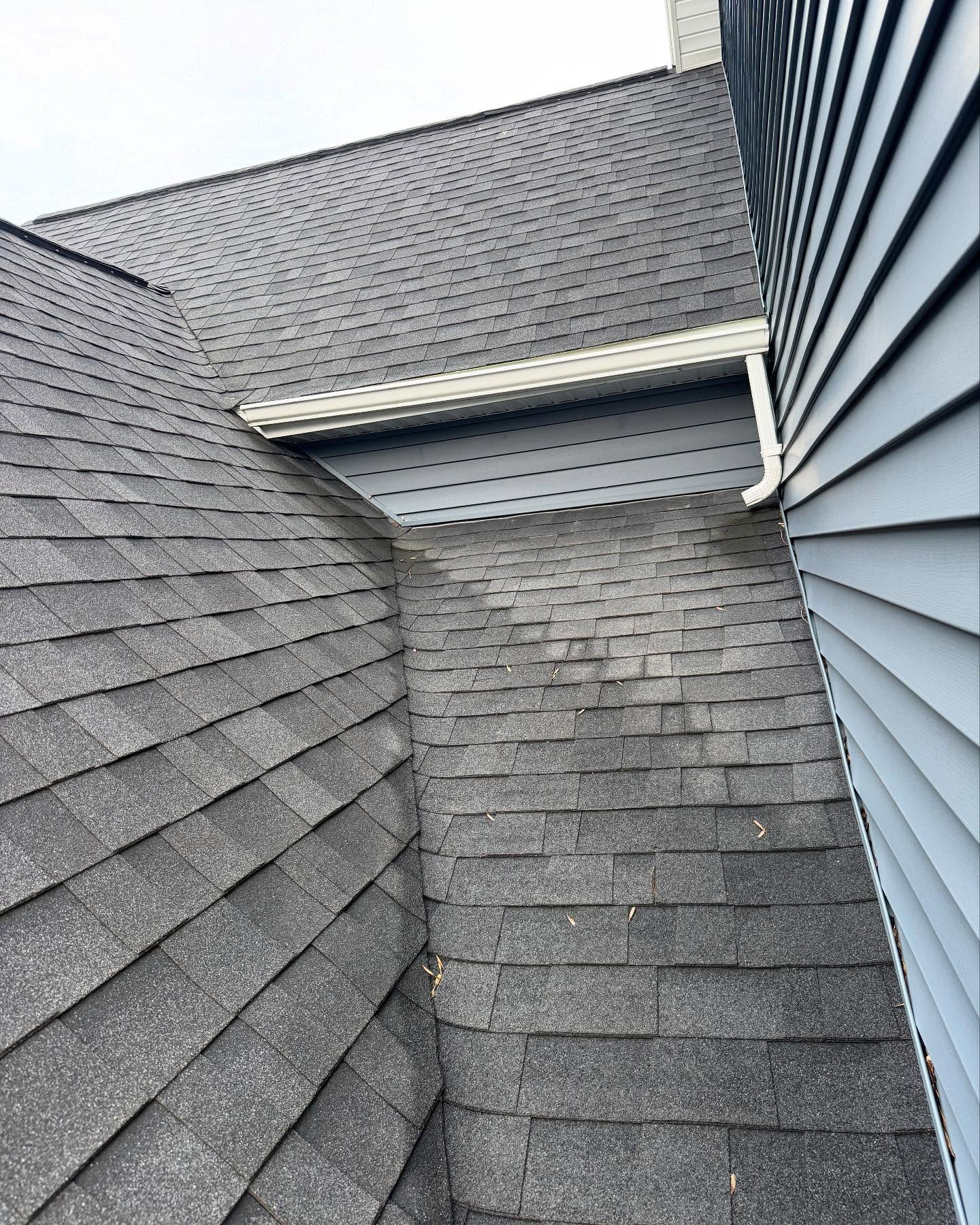
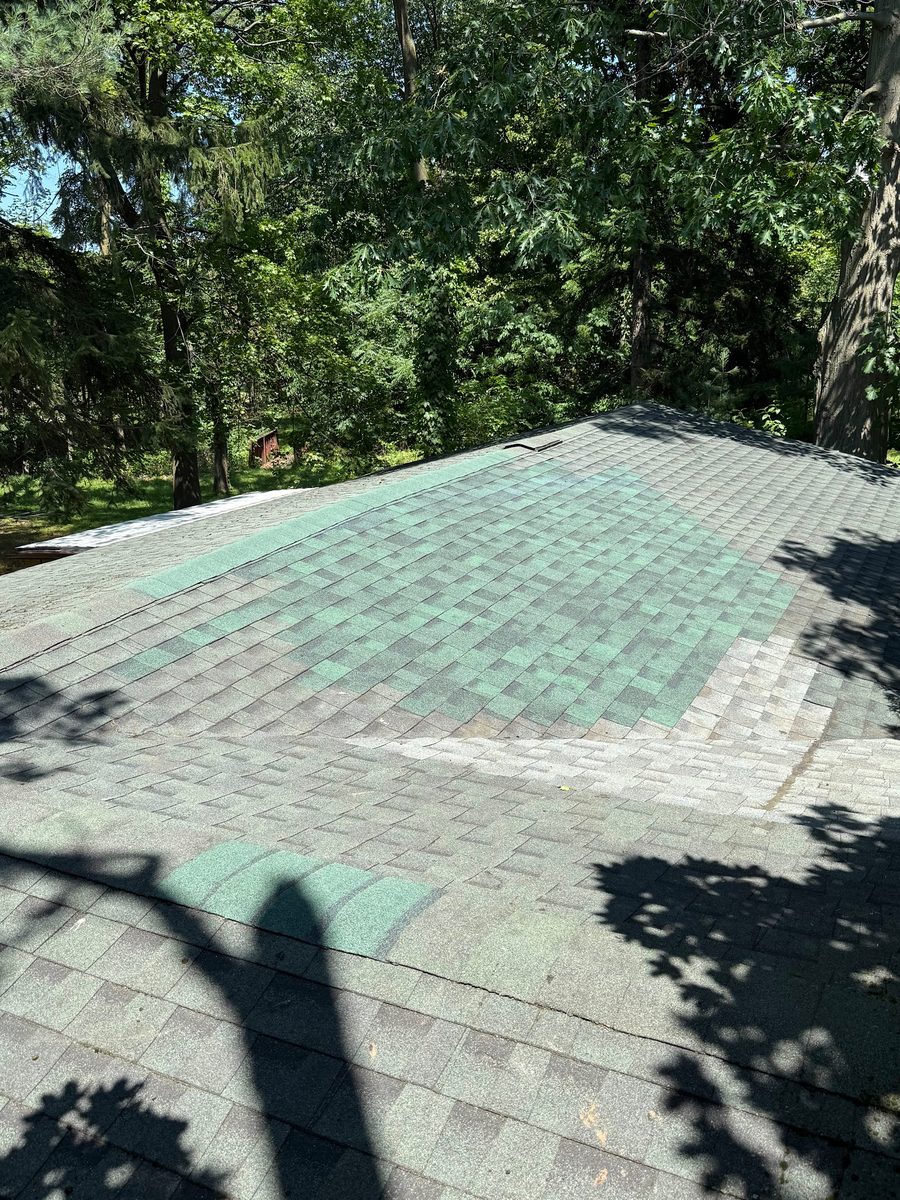
Drive through almost any established Rochester neighborhood and you will see them: the dark streaks running down north-facing roof slopes, the green fuzz creeping along shaded edges, the discoloration that makes an otherwise sound roof look tired and neglected. Moss and algae are extremely common on Western New York roofs, and they prompt two understandable questions from homeowners. Is this hurting my roof, and how do I get rid of it safely?
The answers matter, because the wrong response can do more harm than the growth itself. Power-washing a roof or scrubbing it aggressively can strip the protective granules from the shingles and void warranties, trading a cosmetic problem for a structural one. Understanding what these organisms actually are, what damage they do, and how to address them safely is the difference between a roof that is cleaned and a roof that is damaged.
This article explains the difference between moss and algae, the real risks each poses in our climate, and the safe, effective ways to deal with them.
Algae vs. Moss: Two Different Problems
Although they often appear together and get lumped into the same complaint, algae and moss are different organisms that affect a roof in different ways.
Algae, most commonly the species responsible for the dark streaks, is what causes the unsightly black or brown staining that runs down a roof, typically on the north-facing and shaded slopes that stay damp longest. Algae feeds in part on the limestone filler in asphalt shingles. Its primary effect is cosmetic: it discolors the roof and makes it look far older than it is. Over a long period it can contribute to slightly higher heat absorption on the stained areas, but it is mainly an appearance problem.
Moss is more serious. Moss is a true plant that grows in a thick, spongy mat, taking hold in the shaded, moisture-retaining areas of a roof, such as under overhanging trees, along the north slope, and in the keyways between shingle tabs. Unlike algae, moss holds moisture against the roof surface and lifts the edges of shingles as it grows beneath and around them. That combination of trapped moisture and lifted shingles is genuinely damaging, especially in a freeze-thaw climate where the retained water freezes, expands, and pries the shingles further apart.
Why Rochester Roofs Are Prone to Growth
Our region’s climate and landscape create nearly ideal conditions for both organisms.
Rochester’s humid summers, frequent rain, and abundant mature tree canopy mean many roofs spend long stretches damp and shaded, exactly the conditions algae and moss need to establish and spread. North-facing slopes that receive little direct sun stay moist the longest and show the heaviest growth. Overhanging branches make it worse by keeping the roof shaded, dropping organic debris that holds moisture, and providing a constant supply of spores.
Once established, the growth tends to spread, because the moss and algae themselves help retain the moisture that allows them to expand. A small patch on a shaded edge can, over a few seasons, work its way across an entire slope.
If moss has taken hold on your roof, addressing it sooner rather than later prevents the shingle damage that comes with letting it spread. Request a free inspection and we will assess whether the growth is cosmetic or doing real harm.
How NOT to Remove It
The instinct to blast moss and algae off with a pressure washer is understandable and almost always a mistake. This is the single most important thing for a homeowner to understand.
Asphalt shingles are protected by a layer of mineral granules that shield the asphalt from UV and weather. Pressure washing, along with aggressive scrubbing or scraping, strips those granules away, exposing the asphalt, dramatically shortening the life of the shingles, and frequently voiding the manufacturer’s warranty. A roof that has been pressure washed often looks clean for a season and then ages rapidly, because its protective surface has been removed. The cure becomes far worse than the disease.
Walking on a moss-covered roof is also hazardous. Moss is slippery, and the moisture it retains makes footing treacherous. Roof cleaning is genuinely dangerous work, and it is a poor candidate for a DIY weekend project.
The Safe, Effective Approach
Removing moss and algae the right way is gentle, deliberate, and focused on prevention as much as removal.
The correct method uses appropriate cleaning solutions that kill the algae and moss without damaging the shingles, applied with low pressure and given time to work, followed by gentle rinsing, never high-pressure blasting. Heavy moss mats may need to be loosened gently by hand after the solution has killed them, working carefully to avoid disturbing the granules. The goal is to let the chemistry do the work rather than force it mechanically.
Prevention is the more lasting solution. Trimming back overhanging branches to let more sunlight reach the roof and improve air circulation removes the shade and moisture the growth depends on. And the most elegant long-term fix is the installation of zinc or copper strips along the ridge: as rain washes over them, they release trace amounts of metal ions that inhibit moss and algae growth on the slopes below, quietly suppressing regrowth for years. Quality algae-resistant shingles, which incorporate this principle into the product itself, are well worth choosing on your next roof.
Let Sunset Roofing Handle It Safely
For more than 35 years, Sunset Roofing has helped Rochester and Western New York homeowners deal with moss and algae the right way. We assess whether the growth is merely cosmetic or actively damaging the roof, remove it safely without stripping the shingles, and put prevention in place so it does not simply come back. We will also tell you honestly if the roof is sound and the issue is purely appearance, rather than selling you work you do not need.
If dark streaks or green moss are aging the look of your roof, or if you are worried the growth is doing real damage, let us take a look before anyone takes a pressure washer to it. Request a free inspection and estimate, contact our team with your questions, or call us directly at 585-538-6086. A clean roof is worth having, but only when it is cleaned in a way that protects the shingles rather than destroying them.
‹ Back
Recent Posts
-
-
Summer Maintenance for Commercial Flat Roofs in Rochester, NY
August 21, 2026
-
Cool Roofs and Energy Efficiency for Rochester Homes
August 15, 2026
-
-