
Blog
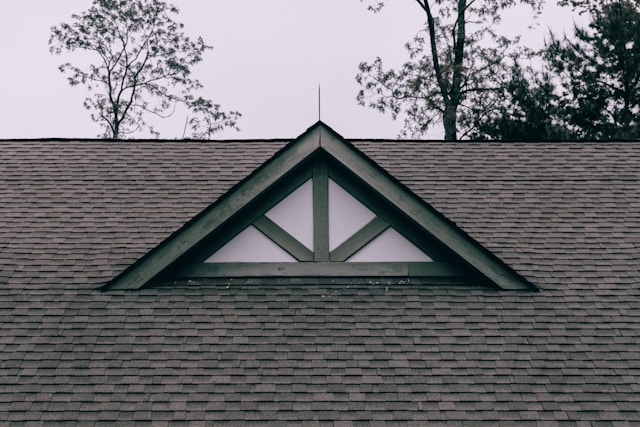
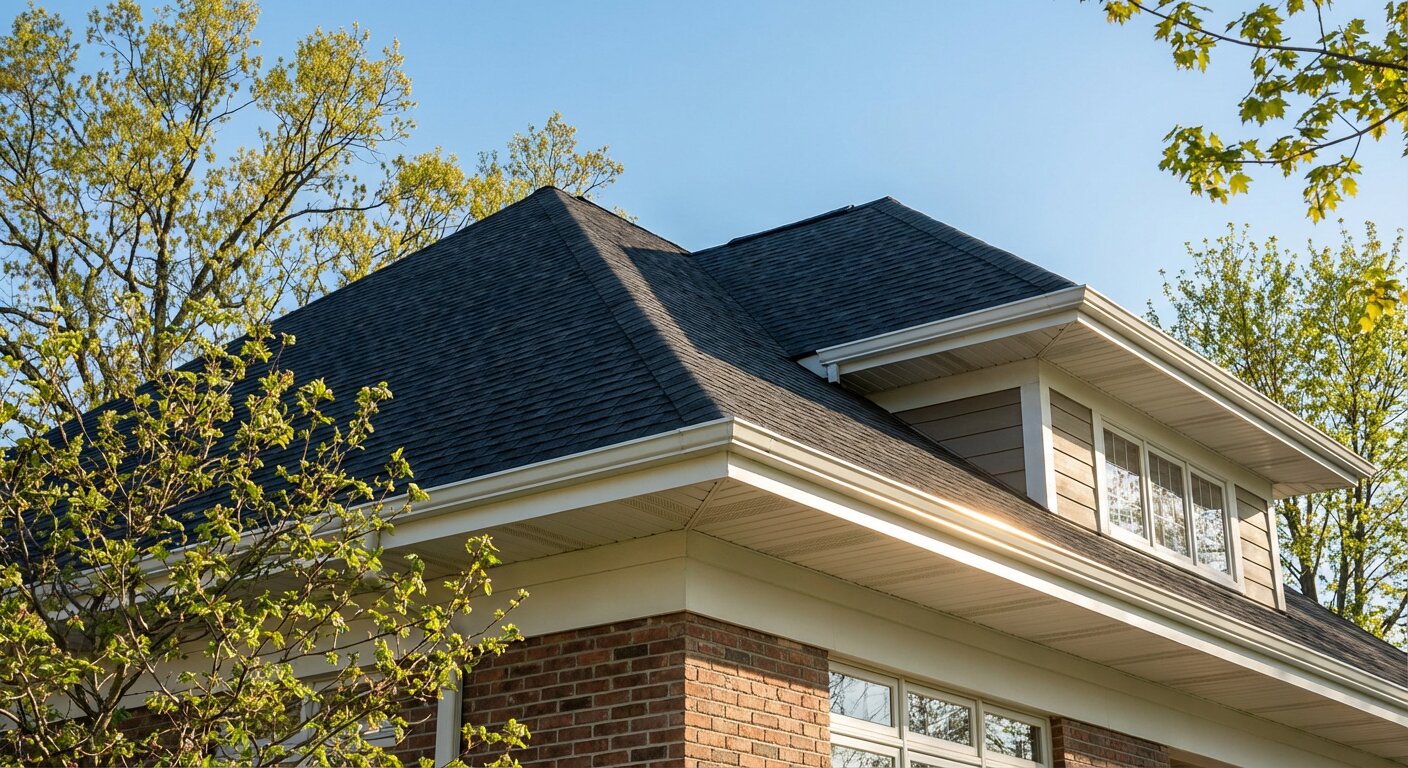
Energy efficiency is usually a conversation about insulation, windows, and heating systems, especially in a heating-dominated climate like Rochester’s. The roof rarely enters the discussion. Yet the roof is the surface of your home that absorbs the most direct solar energy, and the choices you make about it, including the color and reflectivity of the surface, the ventilation beneath it, and the insulation behind it, have a real and measurable effect on both your summer comfort and your year-round energy costs.
The idea of a “cool roof,” a roofing surface engineered to reflect more sunlight and absorb less heat, originated in hot southern climates, and a fair question for any Rochester homeowner is whether it makes sense this far north, where we spend far more on heating than cooling. The honest answer is nuanced, and it is worth understanding before you decide what to install on your next roof.
This article explains how roofing affects home energy use in our climate, what cool roofs actually do, and where the bigger energy opportunities for Rochester homes really lie.
How Your Roof Affects Energy Use
The roof influences home energy use through three connected mechanisms, and understanding them clarifies where the real savings come from.
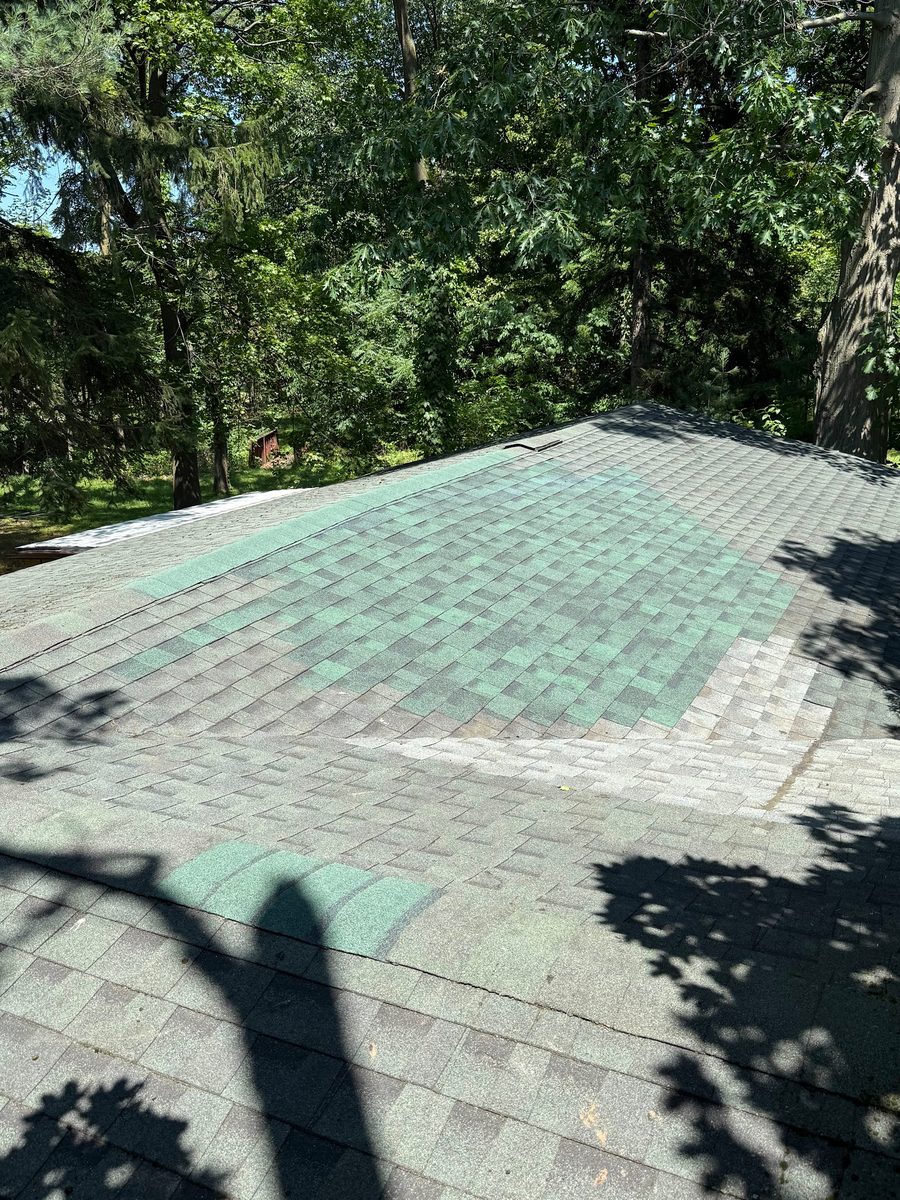
Solar absorption. A dark roof surface absorbs a large share of the sunlight that strikes it and converts it to heat. On a sunny summer day, that heat builds up in the roofing and the attic and works its way into the living space, driving up cooling demand. A reflective surface absorbs less of that energy in the first place.
Attic ventilation. Whatever heat does build up under the roof needs somewhere to go. A well-ventilated attic carries it away before it radiates into the home; a poorly ventilated attic traps it, turning the upper floor into a heat reservoir that the air conditioning has to fight all afternoon.
Insulation. Insulation is the barrier between the attic’s temperature and the living space’s. In summer it slows heat from coming down; in winter, far more importantly for Rochester, it slows heat from escaping up. Insulation is where the largest and most reliable energy savings live in our climate.
What a Cool Roof Actually Does
A cool roof uses materials engineered to reflect more sunlight and release absorbed heat more readily than a standard dark roof. On residential homes this generally means lighter-colored or specially coated shingles with higher solar reflectance; on commercial flat roofs it often means a white or light-colored membrane.
The effect is real: a cool roof surface runs significantly cooler in direct sun than a dark one, which reduces the heat entering the attic and lowers cooling demand on hot days. In a cooling-dominated southern climate, that translates into substantial summer energy savings, which is why cool roofs became standard there.
In Rochester, the calculation is different. Our cooling season is short and our heating season is long, so the summer savings from a reflective roof are more modest, and a small amount of winter solar gain is actually working in your favor when a dark roof warms slightly on a sunny January day. This does not mean reflectivity is worthless here, since a cooler roof still improves summer comfort and reduces the heat aging of the shingles, but it does mean that for most Rochester homes, roof color is a smaller energy lever than ventilation and insulation.
If you want to understand which improvements would actually move the needle on your home’s energy use, an assessment is the place to start. Request a free evaluation and we will give you a straight answer.
Where the Real Energy Savings Are in Rochester
For a heating-dominated climate like ours, the roof-related energy improvements that deliver the most reliable return are the ones beneath the surface, not the color on top.
Attic insulation. Many older Rochester homes are significantly under-insulated by current standards. Because we lose far more energy to heating than cooling, upgrading attic insulation is typically the single highest-return energy improvement a homeowner can make. It keeps heat in during our long winters and out during the summer, and it pays back steadily year after year.
Balanced ventilation. Proper attic ventilation reduces summer heat buildup and, just as importantly, prevents the winter ice dams that come from uneven roof temperatures. It works alongside insulation rather than against it.
Air sealing. Sealing the gaps where conditioned air leaks from the living space into the attic, around fixtures, the attic hatch, and penetrations, stops the slow, constant loss of the air you have paid to heat or cool. It is often the most cost-effective single step of all.
Spray foam insulation. For homeowners pursuing the highest performance, closed-cell spray foam insulates and air-seals in a single application, delivering both a high insulating value and an effective air barrier. It is a particularly strong fit for the kinds of comfort and efficiency problems common in our older housing stock.
Putting It Together for Your Home
The most effective approach to roof-related energy efficiency in Rochester is to think about the whole system rather than chasing a single feature. A reflective shingle on a poorly insulated, poorly ventilated home will disappoint. Quality insulation and balanced ventilation, with a reasonable shingle choice on top, will deliver comfort and savings reliably.
When you are already replacing a roof, it is the ideal moment to address all of these together: assess and upgrade the insulation, correct the ventilation balance, air-seal the attic plane, and choose a quality shingle. Doing it as one coordinated project costs far less than tackling each piece separately later, and the home that results is more comfortable and less expensive to run in every season.
Improve Your Home’s Efficiency with Sunset Roofing
For more than 35 years, Sunset Roofing has helped Rochester and Western New York homeowners build roofing systems that perform, not just shed water, but keep homes comfortable and energy costs in check through our demanding climate. We assess insulation, ventilation, and the roof together, and we recommend the improvements that actually deliver in a heating-dominated region like ours, rather than a one-size-fits-all answer borrowed from a different climate.
If your upstairs runs hot in summer, your energy bills feel high, or you are planning a roof project and want to maximize its efficiency, we are glad to help. Request a free evaluation and estimate, contact our team with your questions, or call us directly at 585-538-6086. The right combination of insulation, ventilation, and roofing is how a Rochester home stays comfortable and efficient year-round.
‹ Back
Recent Posts
-
Cool Roofs and Energy Efficiency for Rochester Homes
August 15, 2026
-
-
-
-