
Blog
Most homeowners do not think much about their roofs until something goes wrong. A drip appears on the ceiling during a rainstorm, or a neighbor knocks on the door to say shingles are scattered across the yard after a windstorm. By the time these visible signs appear, the damage has often already been building for months or years beneath the surface.
In Rochester, NY, roofs face some of the harshest conditions in the northeastern United States. Lake-effect snowfall, ice dams, high winds, and dramatic temperature swings from one season to the next put extraordinary stress on roofing materials year after year. Knowing the warning signs of a failing roof — before it fails completely — gives homeowners the time and financial runway to plan a replacement rather than scramble for emergency repairs.
Here are ten of the most reliable indicators that your Rochester home may need a new roof.
1. Your Roof Is 20 Years Old or More
Age is one of the most straightforward indicators that a roof is approaching the end of its useful life. Standard asphalt shingles, the most common roofing material in the Rochester area, are typically rated for 20 to 25 years under normal conditions. In Rochester's climate, with its freeze-thaw cycles and heavy snow loads, that lifespan often trends toward the shorter end of the range.
If you do not know how old your roof is, check your home purchase records or contact the previous owners. If your home was built in the early 2000s or earlier and the roof has never been replaced, a professional inspection is overdue. Even if the roof looks acceptable from the street, internal deterioration may be well underway.
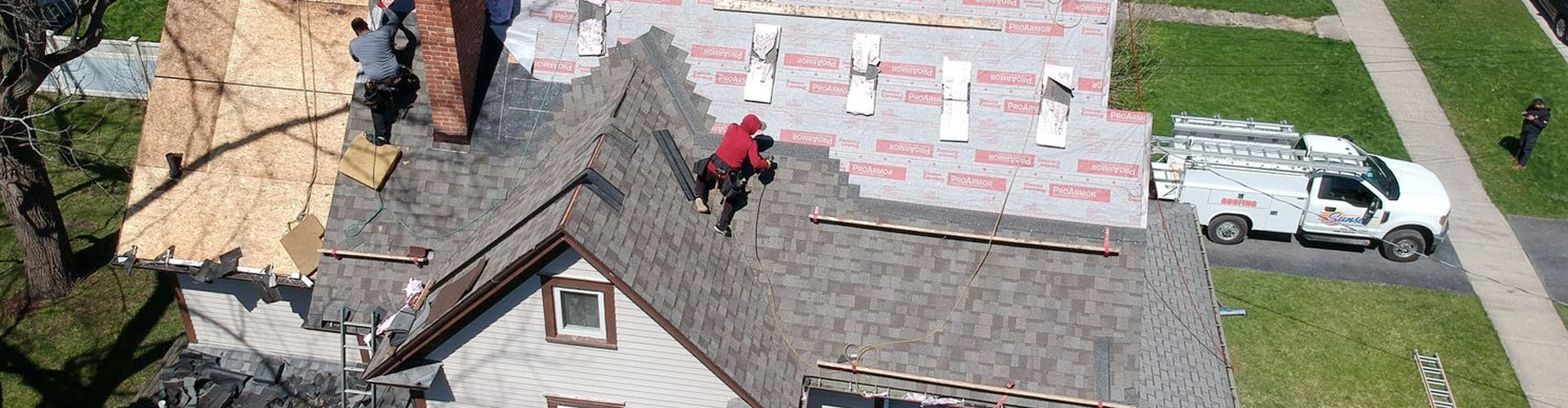
Knowing the age of your roof allows you to plan financially for replacement and to watch more carefully for the warning signs listed below. Our team at Sunset Roofing has helped Rochester homeowners assess aging roofs for over 35 years, and we can tell you with confidence what your roof has left in it.
2. Shingles Are Curling or Cupping
Take a look at your shingles from the ground, using binoculars if necessary. Healthy asphalt shingles lie flat and smooth against the roof deck. Curling occurs when the edges of a shingle turn upward, and cupping occurs when the center of a shingle dips while the edges remain raised. Both are signs of significant deterioration.
Curling and cupping are caused by moisture imbalance — typically the result of poor attic ventilation, age-related drying of the asphalt, or both. Once shingles begin to curl, they lose their ability to shed water effectively. In Rochester's freeze-thaw climate, water that pools under a curled shingle will repeatedly freeze and expand, accelerating the damage dramatically. Widespread curling across multiple areas of the roof is a strong signal that replacement is needed rather than spot repairs.
3. Shingles Are Missing or Cracking
Missing shingles leave sections of your roof deck completely exposed to the elements. While a single missing shingle can be replaced, recurring shingle loss — particularly after windstorms — suggests that the adhesive bond and the shingles themselves are no longer performing as they should. Modern shingles are designed to withstand significant wind speeds; older shingles that have dried and become brittle lose this resistance.
Cracked shingles are similarly concerning. Cracks allow water to penetrate directly to the underlayment and decking. If you are seeing cracks on multiple shingles across several areas of the roof, it is a widespread material failure rather than an isolated incident, and replacement is the appropriate response.
4. Significant Granule Loss
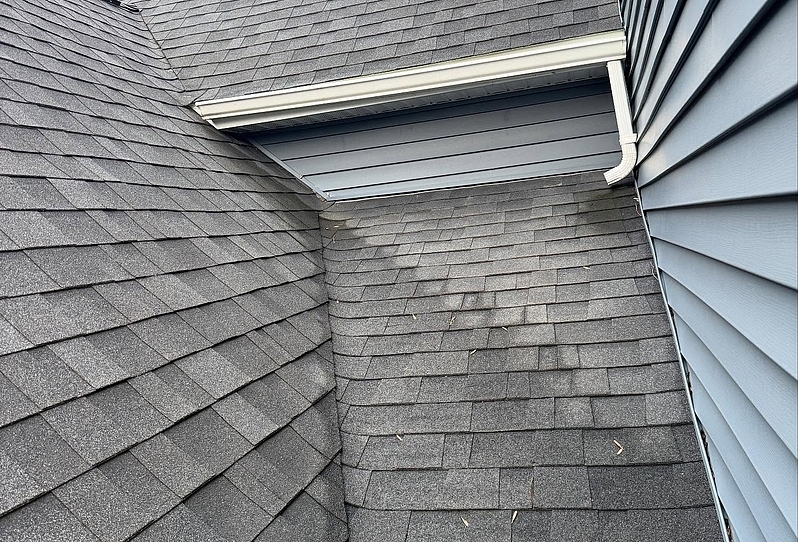
Asphalt shingles are coated with granules — the small, gritty particles that give them texture and that reflect UV radiation to protect the asphalt beneath. As shingles age, they shed granules progressively. You can often detect this by examining your gutters after a rainstorm: if you are seeing substantial amounts of gritty, sand-like material collecting in the gutters or at the base of downspouts, your shingles are losing their protective coating.
Shingles with significant granule loss will appear visibly different — dull, bare, or patchy compared to newer shingles. Once granule loss reaches a significant level, the underlying asphalt becomes exposed to UV degradation and accelerated aging. Granule loss in a relatively new roof may indicate a manufacturing defect or improper installation and is worth investigating under warranty.
5. You See Daylight from the Attic
This is one of the most direct signs of roof failure. Go into your attic during daylight hours and look up at the roof boards. If you can see daylight coming through in any area, water can get in through those same points. While small gaps around vents or plumbing penetrations may be normal if properly sealed, any visible daylight through the roof boards themselves indicates a structural problem.
While you are in the attic, also look for water stains or streaking on the rafters and decking, soft or spongy areas in the roof boards, and any evidence of mold or mildew growth. These signs indicate that water has already been entering the structure, and the damage may extend well beyond what a simple repair can address.
6. Interior Water Stains on Ceilings or Walls
Staining on interior ceilings — particularly yellowish-brown water marks — is a clear sign that water is entering the home through the roof or related components. In Rochester, these stains often appear in late winter or spring, after ice dams have allowed meltwater to seep under shingles over repeated freeze-thaw cycles.
Water stains do not necessarily mean the leak is directly above the stain. Water that enters through a gap in the roof may travel along rafters and pooling in a different location before dripping through to the ceiling below. A professional inspection is the most reliable way to trace the actual entry point. Learn more about our emergency repair and water damage assessment services.
7. Sagging Roof Sections
A roof that appears to sag or dip in any area is a serious structural concern. Sagging can result from long-term moisture damage that has caused the roof decking or structural supports to rot and weaken, or from the accumulated weight of ice and snow over multiple seasons. It can also indicate problems with the rafters or trusses beneath the decking.
Unlike surface-level shingle damage, sagging represents a structural problem. This is not a situation for temporary repairs or patching. If you notice any sagging in your roofline, contact a roofing professional immediately. Delaying on a structurally compromised roof creates risk for the occupants of the home as well as significantly greater repair costs the longer it is allowed to continue.
8. Recurring Leaks Despite Previous Repairs
If your roof has been repaired multiple times in the same area, or if leaks keep appearing in different locations, the underlying problem may be systemic rather than isolated. Spot repairs have their place, but an aging roof that continually develops new leaks is telling you that the entire system is failing — and pouring money into repeated patching is a losing proposition.
At some point, the accumulated cost of ongoing repairs exceeds the cost of a full replacement, with none of the benefit. A new roof from a trusted local contractor comes with warranty protection, consistent performance, and the peace of mind of knowing the problem is solved rather than temporarily addressed.
9. Your Energy Bills Are Unexpectedly High
A failing roof often compromises the insulation and ventilation of your home, which can show up as increased heating and cooling costs. When the attic is no longer properly sealed and ventilated, conditioned air escapes and outdoor air intrudes, forcing your HVAC system to work harder year-round.
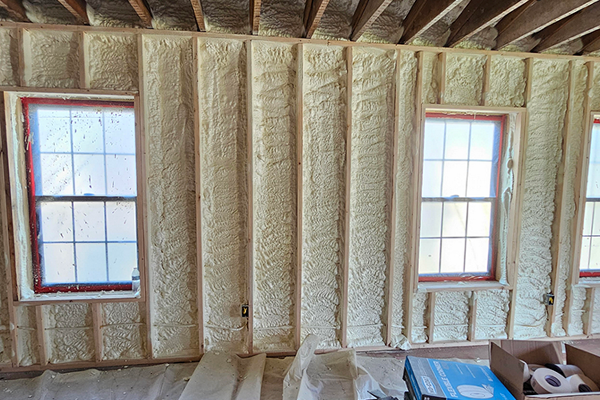
If you have noticed a creeping increase in your energy bills without a corresponding change in usage habits or utility rates, it is worth investigating whether your roof and attic insulation system is performing as it should. Our spray foam insulation services can significantly improve energy efficiency when combined with a roof replacement or targeted attic improvements.
10. Your Roof Has Storm Damage That Was Never Properly Assessed
Rochester experiences its share of significant storms — high winds, hail, heavy snowfall, and ice storms that can cause immediate or latent damage to roofing systems. Many homeowners mistakenly assume that if the roof is not visibly destroyed, it is fine. In reality, hail can bruise shingles in ways that are not immediately visible but that accelerate failure significantly over the following seasons. Wind can lift flashing partially without removing it entirely, creating hidden entry points for water.
If your home has been through a significant storm in the past year or two and was never professionally inspected afterward, that gap in your maintenance record is worth closing. Many storm damage repairs are eligible for homeowner's insurance coverage, and a professional assessment with documentation helps you make that case effectively. Our team at Sunset Roofing repairs and emergency services is experienced in helping homeowners navigate storm damage situations from assessment through completion.
What to Do If You Recognize These Signs
Recognizing one or more of these warning signs does not necessarily mean you need an immediate full replacement. Some roofs showing early-stage signs can be extended with targeted repairs and proper maintenance. Others are genuinely at or past the end of their service life and are better replaced than patched.
The only way to know for certain is a professional inspection by an experienced roofing contractor who can assess the full system — not just the visible surface. At Sunset Roofing, we provide honest, detailed assessments without pressure. We will tell you what your roof actually needs, whether that is a maintenance plan, targeted repairs, or a full replacement, and we will back our work with industry-leading warranties.
If you are seeing any of the signs described above, do not wait. Request your free roofing estimate from Sunset Roofing today, or explore our residential roofing services to learn more about what a new roof can do for your home. You can also reach our team directly at 585-538-6086.
‹ Back
Recent Posts
-
-
What to Do When Your Roof Starts Leaking During a Storm
October 8, 2026
-
-
-