

Blog
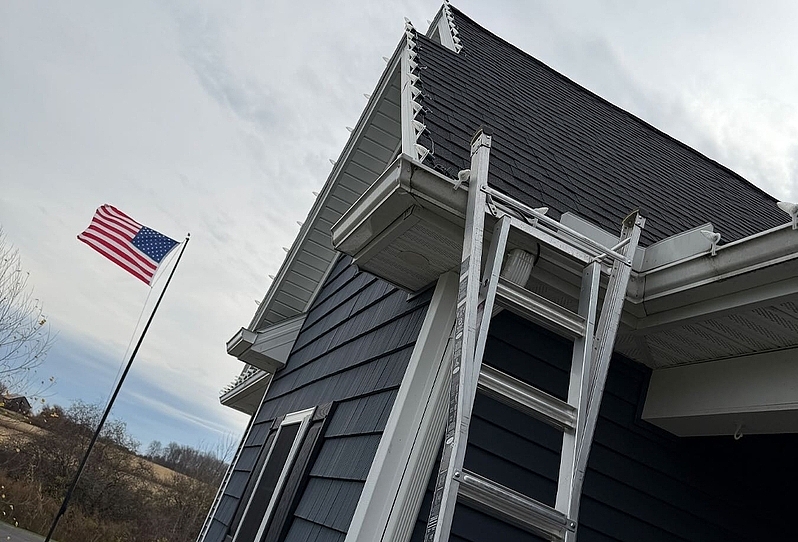
Winter in Rochester, NY is not gentle on roofs. Between relentless lake-effect snow, ice dam formation, freeze-thaw cycling, and wind-driven rain, your roof endures months of sustained punishment that most homeowners never fully appreciate. By the time April arrives and temperatures begin to climb, serious damage may already be lurking beneath the surface of shingles that look fine from the street.
A thorough spring roof inspection is one of the smartest investments a Rochester homeowner can make. Done correctly, it catches small problems before they become catastrophic ones, extends the life of your roofing system, and helps keep manufacturer and workmanship warranties valid. This guide walks you through exactly what to look for, what you can safely assess yourself, and when to stop doing it yourself and call a professional.
Why Spring Is the Right Time to Inspect Your Roof
Rochester winters create specific threats that only become apparent once the snow and ice are gone. Ice dams form when heat escaping through the roof melts snow that then refreezes at the eaves, forcing water up underneath shingles and into the decking and attic below. That moisture damage is often invisible until spring, when stains appear on interior ceilings or rot in the decking becomes soft to the touch.
Spring also brings heavy rain, meaning any compromised area of the roof that survived winter will be tested again almost immediately. Identifying vulnerabilities now — before the next major storm rolls in off Lake Ontario — is the difference between a minor repair and a major, expensive water damage situation inside your home.
Industry guidance consistently recommends inspecting your roof twice a year: once in spring after the winter freeze, and once in fall before temperatures drop again. Scheduling your roof maintenance inspection in early April gives your contractor enough time to schedule repairs before the busy summer season fills up fast.
Safety First: What Homeowners Should and Should Not Do
Before diving into the checklist, a word on safety. Many of the items on this list can be assessed from the ground using binoculars or from inside the attic. Walking on a roof requires specific footwear, harness equipment, and experience reading the structural integrity of what is underfoot. Wet or moss-covered shingles are especially hazardous. Unless you have roofing experience, stay off the roof and leave the up-close inspection to a licensed professional.
What you can safely do from the ground and from inside your home is substantial, and it will help you have a much more informed conversation with your roofing contractor when they arrive.
The Complete Spring Roof Inspection Checklist
1. Check Your Attic First
The attic is one of the most informative places to begin a roof inspection, and it requires no ladder work at all. On a sunny day, go into your attic and look for daylight coming through the roof boards. Any light you see means there is a gap, crack, or hole that is allowing water in as well. Look for water stains, dark streaks, or soft spots on the roof decking and rafters, all of which indicate moisture intrusion that has already occurred.
Also check for proper ventilation. Inadequate attic ventilation is one of the leading causes of premature roof aging in the Rochester area. Heat and moisture that cannot escape the attic will deteriorate shingles from the underside and encourage mold growth in the insulation.
2. Inspect Shingles from the Ground
Using binoculars from ground level, scan every section of your roof systematically. You are looking for:
- Missing shingles — gaps where shingles have blown off entirely
- Curling or cupping — shingle edges that turn up or down, indicating age or moisture damage
- Cracked or split shingles — often caused by thermal expansion and contraction through winter
- Blistering — bubbles on the surface of shingles caused by moisture trapped beneath or by poor ventilation
- Dark patches or staining — often algae, which left untreated will degrade shingles over time
- Granule loss — asphalt shingles losing their granule coating look dull or bare in spots
Significant granule loss is a reliable indicator that shingles are nearing the end of their useful life. You may also notice granule accumulation in your gutters after heavy rain, which is another warning sign worth noting.
3. Examine Your Gutters and Downspouts
Gutters are part of your roofing system. Clogged or damaged gutters cause water to back up against the fascia and eaves, accelerating rot and creating conditions for ice dams to form the following winter. In spring, check for:
- Debris accumulation — leaves, twigs, and granules from shingles
- Sagging sections that have pulled away from the fascia board
- Cracks, holes, or rust spots in metal gutters
- Downspouts that are clogged or discharging water too close to the foundation
- Peeling paint or rust stains on the fascia beneath the gutter, indicating overflow
Clean gutters thoroughly in spring and ensure all downspout extensions direct water at least four to six feet away from your foundation.
4. Inspect All Flashing
Flashing is the thin metal material installed at every point where the roof meets a vertical surface — around chimneys, skylights, dormers, vent pipes, and along roof valleys. Flashing is the most common entry point for water in residential roofing systems, and it is also the part of the roof most likely to be damaged by ice and thermal movement through a Rochester winter.
From the ground or from a safe vantage point, look for flashing that appears lifted, bent, cracked, or separated from the surface it is meant to seal. Rust staining around chimney bases or skylights is a reliable indicator that the flashing has failed or is beginning to fail.
5. Look for Signs of Ice Dam Damage
Even if you did not see significant ice dams on your roof this past winter, subtle ice dam damage is common in Rochester homes. Inside the home, check for:
- Water stains on ceilings, particularly near exterior walls and at eave lines
- Peeling paint on interior walls near the roofline
- Dampness or mold in the attic near the eaves
- Damaged or missing insulation near the attic floor around the eave area
On the exterior, look for damaged or missing soffit panels and any staining on the exterior siding below the roofline. These are signals that water ran behind the siding rather than into the gutter during ice dam events.
6. Assess the Chimney
Chimneys are frequently the source of water intrusion in older Rochester homes. Check the masonry for cracks, spalling, or crumbling mortar between the bricks. Look at the chimney cap — if it is cracked or missing, water is entering the flue directly. The flashing around the base of the chimney deserves particular attention, as it is one of the most vulnerable areas on any roof.
7. Check Soffit and Fascia Condition
The soffit runs along the underside of your eaves, and the fascia is the vertical board at the edge of the roof where the gutters attach. Both are vulnerable to rot in Rochester's wet climate. Look for peeling paint, soft wood, holes, or areas where animals may have entered. Damaged soffits can compromise attic ventilation and allow pests to nest inside your roof structure.
8. Note Any Moss or Algae Growth
In Rochester's humid spring and fall seasons, moss and algae growth on shingles is common, particularly on north-facing roof sections that receive less direct sunlight. Moss holds moisture against the shingle surface and accelerates deterioration. Dark streaking is typically algae. Both should be addressed by a professional using appropriate treatments — pressure washing shingles can damage them further.
When to Call a Professional
If you identify any of the following during your inspection, contact a licensed roofing contractor promptly:
- Any visible daylight from inside the attic
- Water stains on interior ceilings or walls
- Multiple missing or severely damaged shingles
- Lifted, cracked, or separated flashing
- Soft or spongy areas visible in the roof decking
- A roof that is 20 years or older and has not been inspected recently
Attempting to repair flashing, replace shingles, or address structural issues without proper training and equipment can void your warranty and create additional problems. A professional inspection gives you a documented assessment of your roof's condition — valuable both for planning repairs and for insurance purposes.
What a Professional Inspection Covers
When Sunset Roofing performs a professional roof maintenance inspection, our team goes well beyond what a homeowner can safely assess from the ground. We physically examine the entire roof surface, test shingle adhesion and flexibility, probe flashing seals, assess decking integrity, check ventilation calculations against the square footage of the attic, and document every finding with photos and written notes.
Our team also checks all residential roofing components as a system, not just individual parts. A problem with ventilation affects shingle longevity. A clogged gutter affects ice dam formation. Roofing is interconnected, and a thorough professional inspection considers the full picture.
How Often Should Rochester Homeowners Inspect Their Roofs?
The recommendation from roofing professionals is a minimum of twice per year — spring and fall. In addition, you should inspect your roof after any significant storm event: major wind, heavy hail, or ice storms that cause visible damage in your neighborhood.
Roofs in the Rochester area that are approaching 15 to 20 years of age should be inspected annually. Asphalt shingles in this climate typically have a serviceable life of 20 to 25 years, and knowing where your roof stands allows you to plan financially for replacement rather than being caught off guard by a failure.
The Cost of Skipping Your Spring Inspection
Deferred roof maintenance is one of the most expensive mistakes homeowners make. A small flashing gap that costs a few hundred dollars to seal can, if ignored through another wet season, allow water to saturate roof decking, rot rafters, damage insulation, and cause mold in the attic — a repair bill that can climb into the thousands very quickly.
Insurance companies are also increasingly scrutinizing roof conditions during claims. If an insurer can demonstrate that a homeowner neglected documented maintenance, claims for storm-related damage can be denied or reduced. A documented annual inspection by a licensed contractor protects both your roof and your coverage.
Schedule Your Spring Roof Inspection Today
Sunset Roofing has served Rochester, NY and Western New York for over 35 years. Our Owens Corning Platinum Preferred team knows exactly what Rochester winters do to roofing systems, and we know how to find and fix problems before they become disasters. Whether your roof needs a simple tune-up, targeted repairs, or a full assessment to plan for replacement, we are ready to help.
Do not wait until water is coming through your ceiling to take action. Schedule your free spring roof estimate with Sunset Roofing today, and go into the rest of the year knowing your home is protected. You can also learn more about our full range of roof maintenance services or call us directly at 585-538-6086.
‹ Back
Recent Posts
-
What to Do When Your Roof Starts Leaking During a Storm
October 8, 2026
-
-
-
-

Why Fall Is the Best Season for a Roof Replacement in Rochester
September 17, 2026
