
Blog
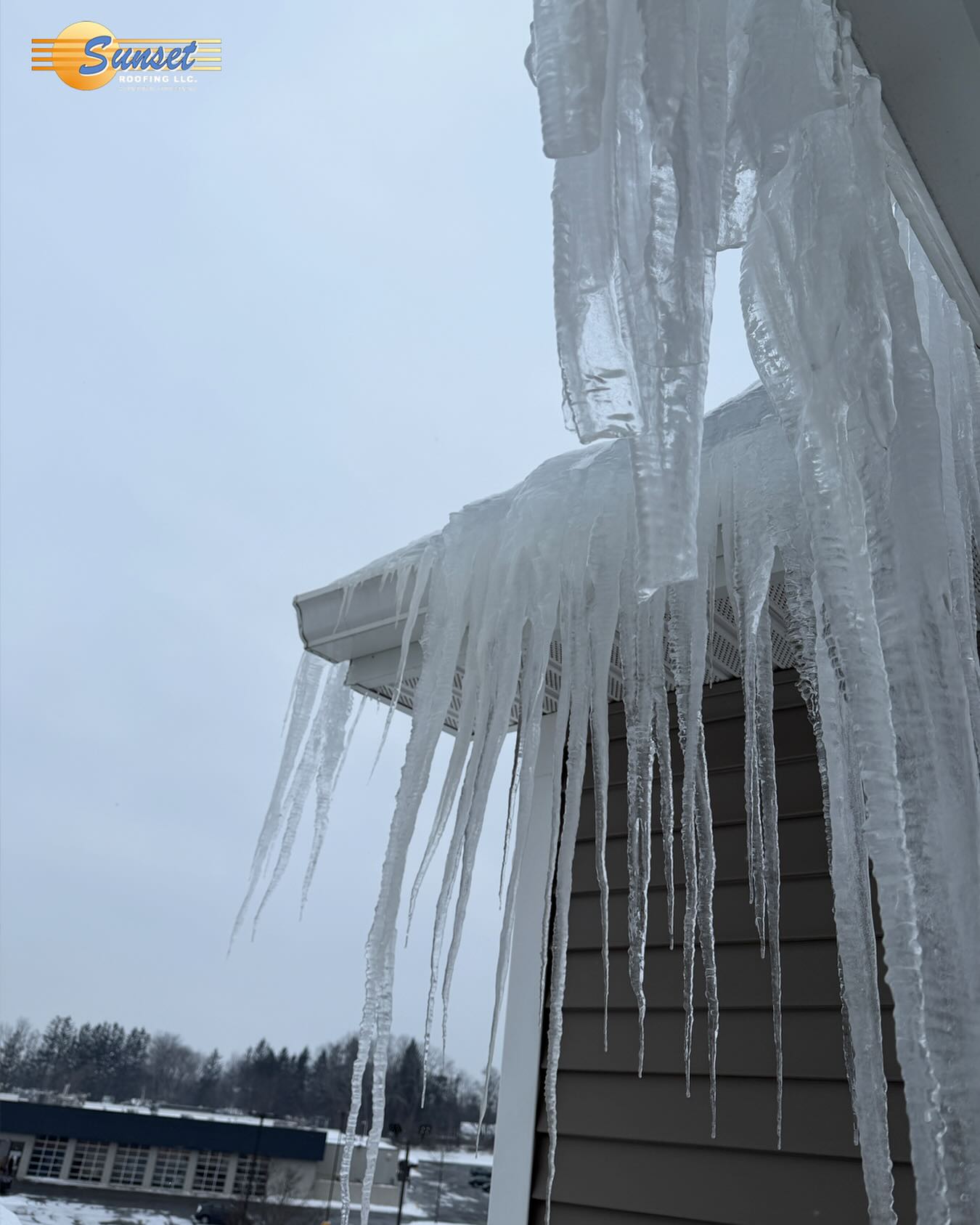
If you’ve lived through even one full winter in Rochester, NY, you’ve likely seen thick ridges of ice forming along roof edges. Those heavy, frozen buildups may look like a normal part of winter — but they are one of the most destructive forces your roof can face.
Ice dams are not just a cosmetic winter nuisance. They are a warning sign that your home is losing heat and your roof system is under stress. Left unaddressed, they can cause interior leaks, insulation damage, mold growth, and even structural deterioration.
Understanding what causes ice dams — and how proper insulation stops them — is critical for homeowners in Western New York.
What Is an Ice Dam?
An ice dam forms when snow on your roof melts unevenly and refreezes at the colder edges of the roofline. Over time, this refrozen ice builds into a thick ridge along the eaves.
Once that ridge forms, melting snow higher up on the roof has nowhere to go. Water backs up behind the ice dam and begins to seep underneath shingles.
That trapped water can enter your home, leading to:
- Ceiling stains
- Wall damage
- Wet insulation
- Mold growth
- Wood rot in decking and framing
And the worst part? Many homeowners don’t realize there’s a problem until interior damage appears.
Why Ice Dams Are So Common in Rochester
Rochester’s winter climate creates ideal conditions for ice dam formation:
- Heavy lake-effect snowfall
- Extended freezing temperatures
- Frequent freeze-thaw cycles
- Large temperature differences between attic and outdoor air
Snow can sit on your roof for weeks at a time. When warm air escapes into the attic, it heats the roof surface from underneath. This causes snow to melt unevenly.
As melted snow flows down to the colder eaves — which are not warmed by attic air — it refreezes. That’s where the dam begins.
The process repeats over and over throughout winter, growing thicker and heavier each time.
The Real Root Cause: Heat Loss
Many homeowners think ice dams are simply caused by “too much snow.” Snow is only part of the equation.
The real cause is heat escaping from your living space into the attic.
Common sources of heat loss include:
- Poor attic insulation
- Air leaks around light fixtures and vents
- Gaps around plumbing penetrations
- Inadequate attic ventilation
When warm air rises and escapes through the ceiling into the attic, it warms the roof deck unevenly. This creates the melting and refreezing cycle that builds ice dams.
Why Ice Dams Are More Than Just a Leak Risk
Beyond water intrusion, ice dams add significant weight to your roof’s edge. Thick ice can strain gutters, loosen fascia boards, and damage shingle edges.
Repeated ice dam formation also weakens roofing materials over time. Water intrusion beneath shingles can compromise underlayment layers and reduce the lifespan of your roof system.
For Rochester homeowners, preventing ice dams is not optional — it’s essential for long-term roof performance.
How Proper Insulation Prevents Ice Dams
The most effective long-term solution to ice dams is controlling attic temperature. The goal is simple: keep your roof deck cold and consistent during winter.
When insulation is installed correctly and air leaks are sealed, warm indoor air stays where it belongs — inside your living space.
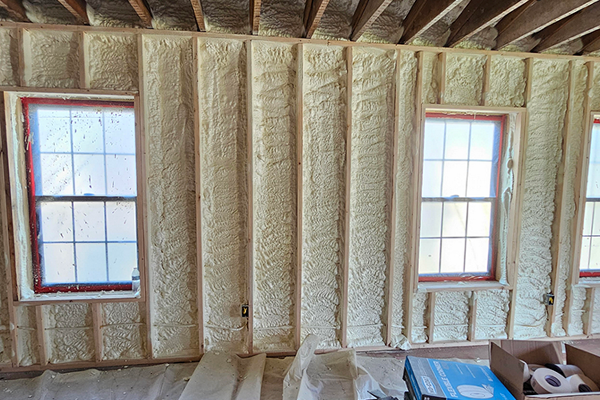
Closed cell spray foam insulation is especially effective because it does more than slow heat transfer. It creates an air-tight seal that eliminates the gaps and cracks where warm air escapes.
Benefits of closed cell spray foam in Rochester homes include:
- Superior air sealing
- High R-value per inch
- Moisture resistance
- Added structural rigidity
- Long-term durability
By stabilizing attic temperatures, spray foam significantly reduces uneven snow melt and minimizes the conditions that lead to ice dam formation.
The Difference Between Temporary Fixes and Permanent Solutions
Some homeowners attempt short-term solutions such as:
- Roof raking after snowstorms
- Installing heating cables
- Chipping away ice manually
While these methods may reduce immediate buildup, they do not address the root cause — heat loss from the attic.
Without improving insulation and air sealing, ice dams will continue to return year after year.
Warning Signs Your Home Is at Risk
Even if you haven’t experienced interior leaks, certain signs suggest your home may be vulnerable to ice dams:
- Large icicles forming repeatedly in the same areas
- Uneven snow melt patterns on the roof
- Cold rooms or drafts inside the home
- High winter heating bills
- Previous ceiling staining after winter
If you recognize these symptoms, it’s time to evaluate your insulation and attic performance.
Why Early Action Saves Thousands
Water damage repairs can escalate quickly. Replacing insulation, repairing drywall, treating mold, and fixing roof decking can become far more expensive than upgrading insulation proactively.
Investing in proper insulation not only reduces ice dam risk — it improves overall home efficiency, comfort, and resale value.
In a climate like Rochester’s, that’s a smart move.
Protect Your Roof Before Next Winter
Ice dams are not unavoidable. They are a symptom of heat escaping from your home. By addressing insulation and air sealing now, you can dramatically reduce the risk before the next winter season arrives.
If you want to stop fighting ice dams every year and protect your home from costly damage, the first step is a professional evaluation.
Let’s identify where your home is losing heat and create a plan to fix it the right way: Get a Free Estimate
Don’t wait for another Rochester winter to test your roof. Take control of the problem before it costs you.
‹ Back
Recent Posts
-
-
Why Fall Is the Best Season for a Roof Replacement in Rochester
September 17, 2026
-
Gutter Guards Before Leaf Season: Are They Worth It in Rochester?
September 10, 2026
-
Fall Roof Maintenance Checklist for Rochester, NY Homeowners
September 3, 2026
-