
Blog
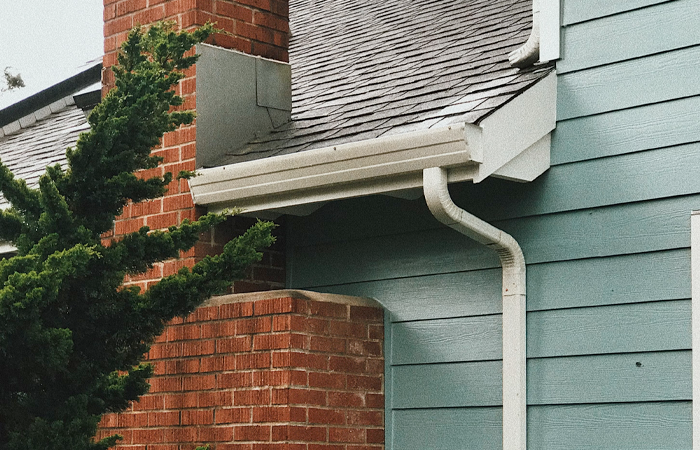
Gutters are the least interesting part of a house and one of the most consequential in a Rochester winter. All season long they are asked to move an enormous volume of meltwater away from the roof and the foundation, and they are asked to do it in conditions specifically designed to stop them: freezing temperatures, freeze and thaw cycles, and a roof shedding water intermittently rather than steadily.
A gutter that is clogged going into December is not a minor maintenance item. It is a reliable cause of ice dams, damaged fascia, ruined landscaping, and water in basements. The window to deal with it closes when the first hard freeze arrives, and in our region that comes early.
This article explains why gutters matter so much in winter here, what winterizing them actually involves, and when it needs to be done.
What Gutters Are Doing All Winter
Most people think of gutters as a rain feature and assume they go dormant once it starts snowing. The opposite is true.
Snow on a roof does not simply sit there until spring. It melts continuously in small amounts from solar gain on sunny days, from mild spells, and from any heat escaping through the roof. That meltwater runs down the roof surface and reaches the gutter, and it needs somewhere to go.
If the gutter is clear, the water flows into it, down the downspouts, and away from the house. If the gutter is full of leaves, or if it is already holding standing water because the downspout is blocked, that water has nowhere to go. It sits, it freezes, and the gutter becomes a solid trough of ice at the exact edge where you least want one.
How a Clogged Gutter Creates an Ice Dam
The connection between gutters and ice dams is direct, and it is worth understanding precisely because homeowners often treat them as separate problems.
An ice dam forms when meltwater running down a warm section of roof reaches the cold eave and refreezes. A gutter packed with frozen debris gives that process a head start and an anchor. The ice mass builds up out of the gutter and back onto the roof edge, and once it is established it traps every subsequent bit of meltwater behind it. That standing water then works its way backward under the shingles, which are designed to shed water flowing down, not to hold back water sitting still.
From there it reaches the deck and the interior. This is the mechanism behind most winter ceiling stains in our region, and a clean gutter is one of the cheapest ways to make it less likely.
There is a weight problem too. A forty foot run of gutter filled with ice is carrying a serious load on fasteners driven into fascia, which is how gutters end up bent, pulled loose, or lying in the yard.
What Winterizing Gutters Actually Involves
It is a short list, and none of it is complicated.
Clear them completely. All leaves, needles, shingle granules, and sediment need to come out, not just the obvious clumps. Pine needles and granule sludge in the bottom of the trough hold water even when the gutter looks clear from below.
Flush and check the downspouts. This is the step people skip, and it matters more than the gutter itself. Run water through and confirm it exits the bottom of the downspout with real flow. A clogged downspout turns the entire gutter into a standing reservoir, and downspout blockages are extremely common because debris naturally collects at the elbow.
Check the pitch. Gutters need a slight consistent fall toward the downspout. If water is standing in a section after it has been cleared, the pitch is off or the gutter has sagged, and that standing water is the first thing to freeze.
Check the hangers and the fascia. Loose, spread, or missing hangers should be resecured before they carry a winter of ice. Soft or rotted fascia behind the gutter needs attention, since it cannot hold fasteners under load.
Look at where the water lands. Downspouts should discharge well away from the foundation. Water dumped next to the house in winter freezes into a sheet on the walkway and works its way toward the basement.
If you would rather not be on a ladder in November, we can handle it. Contact our team and we will get your gutters cleared and checked before the freeze.
Timing It Right in Rochester
The timing question has a specific answer here, and getting it wrong wastes the effort.
Wait until the leaves are actually down. Cleaning gutters in early October when the trees are still full means doing it again, and the second cleaning is the one that counts. In most of our area the leaves finish falling through late October into November.
Then do not wait much longer. You want this done before sustained freezing arrives, because once the debris in a gutter freezes into a solid mass it cannot be cleared without risking damage to the gutter, and you have lost the opportunity until spring.
The practical window in Rochester is generally from the time the leaves finish falling until the first hard freeze, which often means the back half of November. If you have a lot of oaks, which hold their leaves stubbornly, you may be at the very end of that window, and it is worth watching the forecast.
Are Gutter Guards the Answer?
Gutter guards can substantially reduce how often gutters need clearing, and on a house surrounded by mature trees they can be genuinely worth it. They are not a permanent solution, and they are not a substitute for inspection.
Fine debris still gets through most systems, guards themselves can ice over, and a guard that is installed poorly can push water over the front of the gutter entirely. They also do not eliminate the need to check downspouts and hangers each fall. Think of them as extending the interval between cleanings rather than ending it.
Get Ahead of Winter with Sunset Roofing
For more than 35 years, Sunset Roofing has been keeping water moving off Rochester and Western New York roofs, and we treat gutters as part of the roof system rather than as an accessory, because in our climate they are the difference between meltwater leaving the house and meltwater entering it.
If your gutters need clearing, your hangers are loose, or you had ice dams last year and want to understand why, we can help. Request a free estimate, contact our team, or call us directly at 585-538-6086. An hour of gutter work in November prevents a great deal of expensive trouble in February.
‹ Back
Recent Posts
-
Winterizing Your Gutters Before Rochester's First Hard Freeze
November 12, 2026
-
How Much Snow Can Your Rochester Roof Actually Hold?
November 5, 2026
-

Choosing Shingle Colors for Your Rochester Home
October 29, 2026
-

-