

Blog
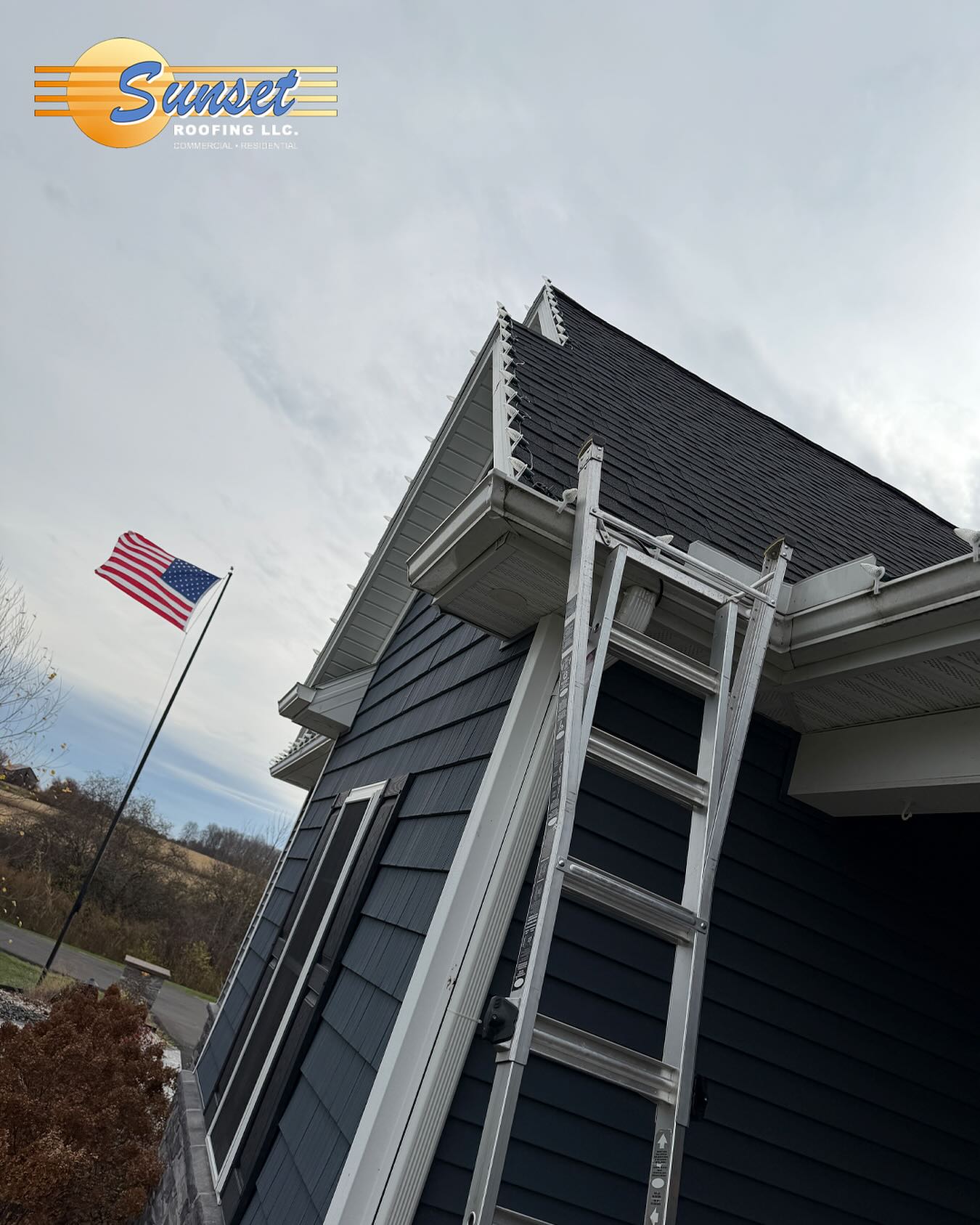
Winter in Rochester is tough on homes. Between lake-effect snow, extended freezing temperatures, ice buildup, and strong winds, your roof takes a beating for months at a time. By the time March rolls around and the snow begins to melt, most homeowners are simply ready for warmer weather. But spring is not the time to ignore your roof — it is the time to inspect it.
April showers are coming. And if winter caused even minor roof damage, spring rain is when it will show up inside your home.
A proper spring roof inspection can help you catch small issues before they turn into expensive structural repairs. Whether you plan to stay in your home long term or are preparing to sell, this is one of the smartest preventative steps you can take.
Why Spring Is the Most Important Time for Roof Inspections in Rochester
Rochester’s freeze-thaw cycles create unique stress on roofing systems. During winter, snow melts during warmer daytime temperatures and refreezes overnight. Water seeps into small cracks, expands when frozen, and gradually widens weak spots in shingles, flashing, and underlayment.
Often, this damage is not obvious while snow remains on the roof. But once temperatures stabilize and rain begins, those minor vulnerabilities can quickly turn into active leaks.
Spring inspections allow homeowners to:
- Identify winter-related damage
- Prevent leaks before heavy rain
- Extend the lifespan of the roof
- Avoid emergency repair costs
- Protect insulation and attic spaces
Waiting until you see interior water stains usually means the problem has already progressed.
What to Check From the Ground
You do not need to climb onto your roof to begin a basic inspection. In fact, climbing without proper safety equipment is not recommended. Instead, start with a visual check from the ground using binoculars if needed.
Look for:
- Missing shingles
- Curled or lifted shingle edges
- Dark patches where granules may have worn away
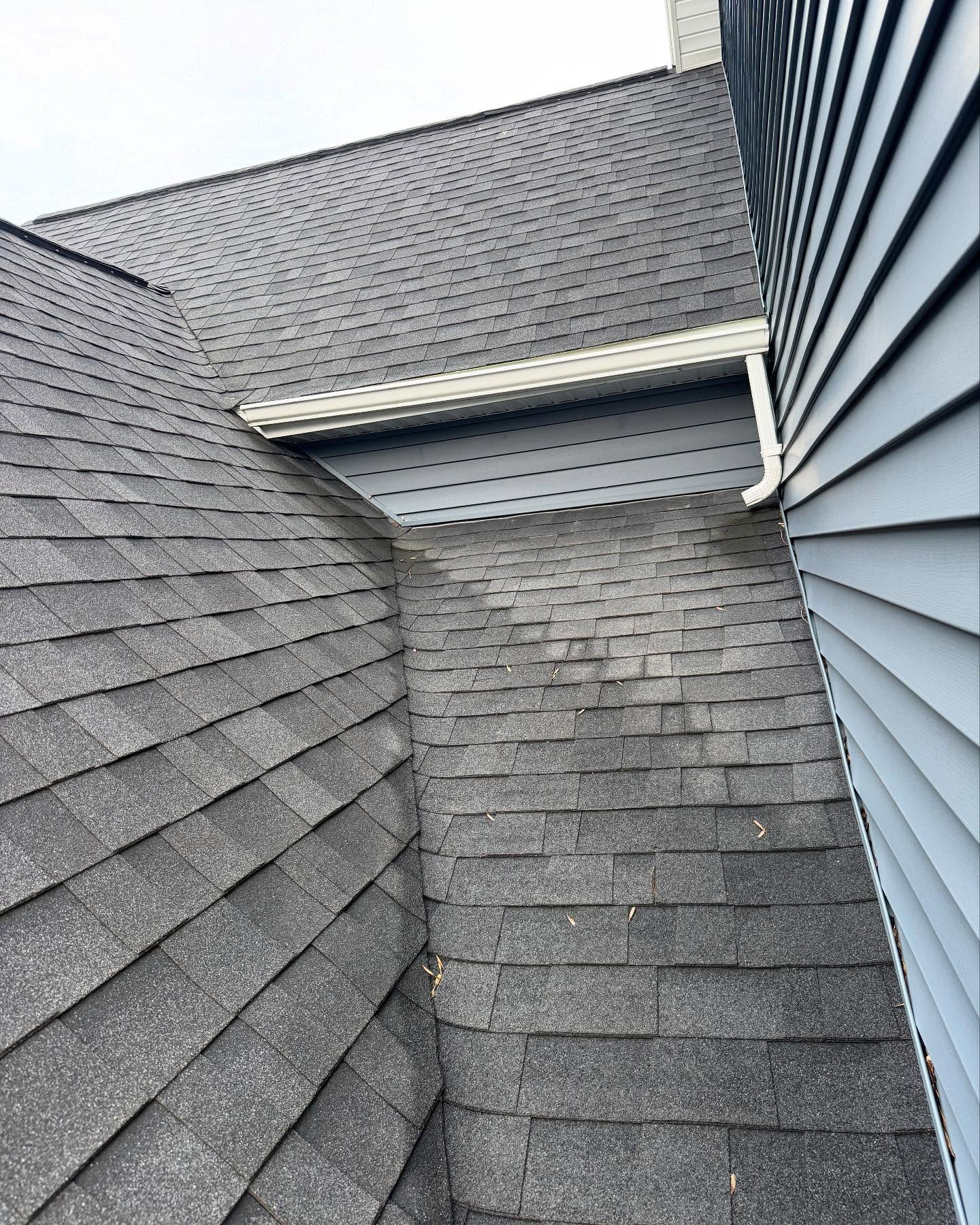
- Debris buildup in valleys
- Sagging roof lines
If you notice any of these signs, it is time to schedule a professional evaluation.
Check Your Gutters and Downspouts
Your gutters can reveal a lot about your roof’s condition. After winter, inspect gutters for:
- Excessive shingle granules
- Loose brackets or sagging sections
- Separation from the fascia
- Blockages from leaves or debris
Granule buildup often indicates shingle wear. Clogged gutters can cause water to back up under roofing materials during spring rainstorms.
Inspect Flashing Around Critical Areas
Flashing protects vulnerable roof areas such as chimneys, vents, skylights, and roof valleys. Freeze-thaw cycles can crack sealant and separate flashing joints.
From the ground, look for visible lifting or rusting around these areas. Inside the attic, check for light penetration or water staining near roof penetrations.
Even minor flashing separation can lead to significant water intrusion during heavy spring rain.
Look Inside Your Attic
One of the most overlooked inspection steps is checking the attic. After winter, head up and look for:
- Water stains on rafters or decking
- Damp insulation
- Mold or mildew smells
- Sunlight shining through gaps
If you see staining or moisture, there may already be a compromised area on the roof surface.
This is also a good time to evaluate insulation performance. Poor attic insulation can contribute to uneven roof temperatures and ice dam formation. Closed cell spray foam insulation can help create a tighter building envelope and reduce future winter stress.
Watch for Interior Warning Signs
Sometimes roof damage first appears inside the home. As spring rain begins, monitor ceilings and walls for:
- Brown water stains
- Peeling paint near ceiling lines
- Bubbling drywall
- Dripping during storms
If you notice any of these signs, do not delay. Water intrusion spreads quickly and can damage framing, insulation, and electrical systems.
Pay Attention to Ice Dam Damage
Even if ice dams have melted, they may have already caused hidden issues. Ice dams force water beneath shingles, which can compromise underlayment layers.
After winter, look for:
- Shingles that appear lifted near eaves
- Damaged fascia boards
- Peeling exterior paint near roof lines
Addressing these issues early prevents further deterioration during spring rain events.
Why Professional Inspections Matter
While homeowner checks are helpful, professional inspections go much deeper. Roofing professionals evaluate:
- Shingle integrity
- Flashing installation quality
- Sealant conditions
- Ventilation performance
- Insulation effectiveness
- Structural stability
They can identify subtle warning signs that may not be visible from the ground. Catching these early often means simple repairs rather than major replacements.
Spring Repairs Are Easier Than Emergency Repairs
Scheduling repairs in early spring gives you flexibility. Contractors are not yet in peak summer demand, and small issues can be addressed before they escalate.
Waiting until heavy April storms expose a leak can result in emergency calls, interior damage restoration, and higher costs.
Preventative action is always less expensive than reactive repairs.
Protect Your Home Before April Showers Arrive
Your roof is your home’s first line of defense against Rochester’s unpredictable weather. Winter may be behind us, but the damage it caused may not be.
A spring roof inspection gives you peace of mind heading into rain season. It protects your investment, extends your roof’s lifespan, and prevents small problems from becoming major expenses.
Now is the time to take action before the first heavy spring storm hits.
Schedule Your Free Roof Inspection Here!
Don’t wait for April showers to reveal what winter left behind. Make sure your Rochester home is ready.
‹ Back
Recent Posts
-
Gutter Guards Before Leaf Season: Are They Worth It in Rochester?
September 10, 2026
-
Fall Roof Maintenance Checklist for Rochester, NY Homeowners
September 3, 2026
-
-
Summer Maintenance for Commercial Flat Roofs in Rochester, NY
August 21, 2026
-
Cool Roofs and Energy Efficiency for Rochester Homes
August 15, 2026
