

Blog
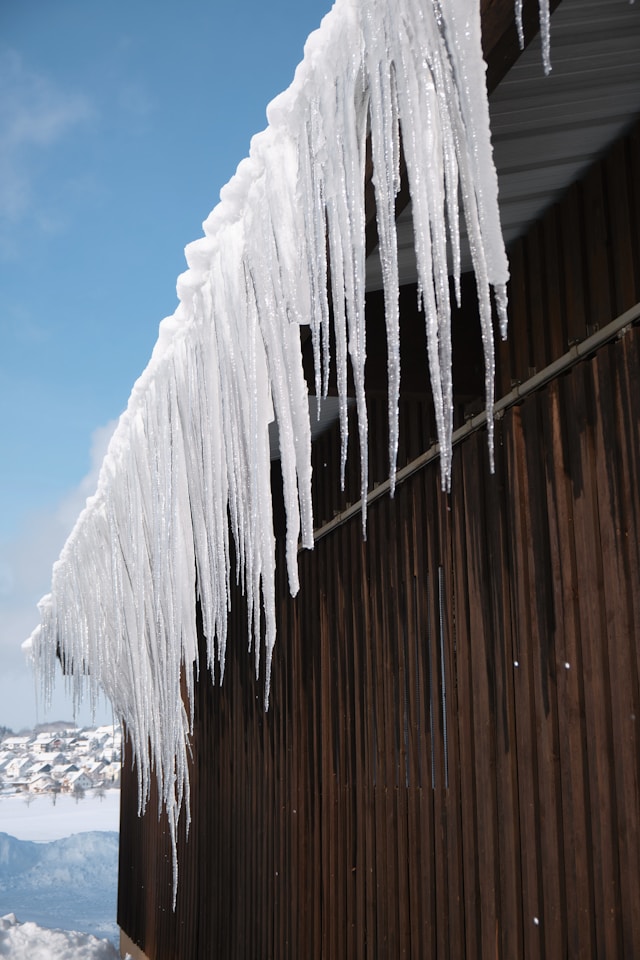
Rochester winters bring a mix of snow, freezing rain, and extreme temperature swings that can put serious stress on your roof. One of the most common and damaging problems local homeowners face each year is the formation of ice dams — thick ridges of ice that form along roof edges and prevent melting snow from draining properly. Left untreated, ice dams can cause water to back up under shingles, resulting in leaks, interior damage, and expensive repairs.
At Sunset Roofing, we help Rochester homeowners understand the root causes of ice dams and provide long-term solutions to prevent them. This guide breaks down why ice dams happen, how to spot early warning signs, and what you can do to protect your home before winter weather takes over.
What Exactly Is an Ice Dam?
An ice dam is a layer of ice that forms when heat from your attic escapes through the roof and melts the snow sitting on top. The melted snow flows down the roof until it reaches the eaves — the part of the roof that extends beyond the walls of your house — where the temperature is much colder. There, the water refreezes and begins to build up, creating a solid ridge of ice.
As this process continues, new snowmelt gets trapped behind the ice ridge. The water has nowhere to go but under your shingles and into your roof deck, attic, and walls. Over time, this trapped moisture can cause major structural issues and even mold growth inside your home.
What Causes Ice Dams on Rochester Roofs?
Rochester’s fluctuating winter temperatures and lake-effect snow make ice dams a recurring problem. Several factors contribute to their formation:
- Poor attic insulation: When warm air from inside your home escapes into the attic, it heats the underside of the roof and melts the snow above it.
- Inadequate ventilation: Without proper airflow, warm air becomes trapped in the attic, accelerating snowmelt on the roof surface.
- Blocked gutters: Clogged gutters prevent water from draining properly, causing meltwater to refreeze along roof edges.
- Uneven roof temperatures: Differences between heated areas (like over living spaces) and unheated zones (like overhangs or porches) create perfect conditions for freezing and thawing cycles.
These conditions, combined with Rochester’s consistent snowfall, make even newer roofs vulnerable to ice dam formation if not properly insulated and ventilated.
Signs You May Have an Ice Dam
Some signs of an ice dam are easy to spot, while others require a closer look. Pay attention to the following indicators:
- Thick ridges of ice forming along the eaves or gutters
- Icicles hanging from roof edges or soffits
- Water stains on ceilings or walls near exterior edges
- Cold or damp insulation in the attic
- Peeling paint or bubbling plaster inside your home
If you notice any of these, don’t ignore them — what may seem like a small issue today can quickly turn into a full roof leak when temperatures rise and refreeze again.
The Hidden Damage Ice Dams Can Cause
Ice dams are more than just an exterior nuisance. The damage they cause beneath the surface can be extensive:
- Roof deck rot: Constant moisture exposure weakens wood decking over time.
- Shingle damage: Repeated freezing and thawing lift and crack shingles, allowing water to penetrate deeper.
- Insulation loss: Wet insulation loses its thermal resistance, increasing heating costs.
- Mold and mildew: Moisture in the attic creates the perfect environment for mold growth and poor air quality.
- Interior damage: Water stains, sagging ceilings, and peeling drywall can appear weeks after an ice dam forms.
That’s why quick action and preventive maintenance are so important — especially for homes exposed to Rochester’s long, cold winters.
How to Prevent Ice Dams Before They Form
Prevention is always less expensive and less stressful than repair. Here’s how to keep ice dams from forming in the first place:
1. Improve Attic Insulation
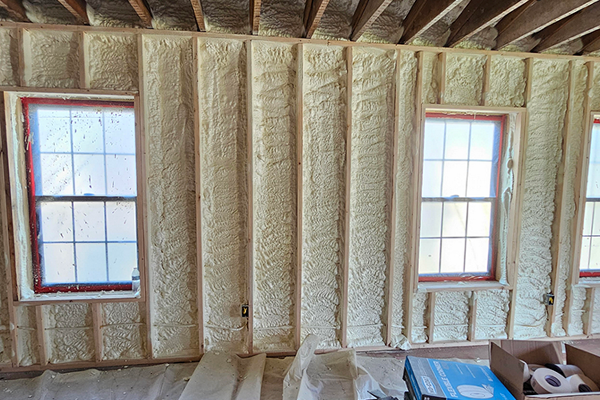
Proper insulation keeps warm air inside your living spaces instead of rising into the attic. This maintains a consistent roof temperature and minimizes snowmelt. Closed-cell spray foam insulation — like the kind offered by Sunset Roofing — provides excellent thermal performance and moisture resistance, making it ideal for upstate New York homes.
2. Enhance Roof Ventilation
Balanced ventilation helps cold air circulate through the attic, reducing temperature fluctuations across the roof. Ridge vents, soffit vents, and gable vents all play key roles in maintaining proper airflow and preventing heat buildup.
3. Keep Gutters Clear
Before the first snowfall, clean out gutters and downspouts to ensure meltwater can drain freely. Clogged gutters trap water and ice, making ice dams much more likely. Consider installing gutter guards if trees surround your home.
4. Schedule a Roof Inspection
A professional roof inspection can identify potential problem areas such as worn flashing, uneven insulation, or ventilation blockages before winter hits. Routine inspections not only prevent ice dams but also extend the life of your roof.
5. Safely Remove Excess Snow
If heavy snowfall accumulates, use a roof rake from the ground to remove snow from roof edges. Never climb onto a snowy or icy roof yourself — it’s dangerous and can cause damage. For large buildups, schedule professional snow removal services.
What to Do If You Already Have an Ice Dam
If an ice dam has already formed, take action quickly to prevent further damage:
- Don’t chip away at the ice: Using a hammer or shovel can damage shingles and flashing.
- Don’t use rock salt: It can corrode metal gutters and discolor roofing materials.
- Use calcium chloride safely: If necessary, place calcium chloride in a nylon stocking and lay it perpendicular to the dam to create a melt channel.
- Call a professional: Trained roofers have the right tools to safely remove ice and address the underlying cause.
At Sunset Roofing, we provide winter roof repair and inspection services designed to handle ice-related issues without causing additional damage. Our team knows how to safely remove buildup and reinforce your roof for the rest of the season.
Repairing Ice Dam Damage the Right Way
If your roof or interior has been affected by ice dams, a professional repair may involve:
- Replacing damaged shingles or underlayment
- Repairing or resealing flashing around chimneys and vents
- Drying and replacing wet insulation
- Fixing or replacing water-stained drywall
- Installing proper attic ventilation to prevent recurrence
Our repair process ensures that both visible and hidden damage is addressed. We don’t just fix leaks — we solve the root cause so you don’t have to deal with the same issue every winter.
Why Rochester Homeowners Choose Sunset Roofing
Homeowners across Western New York trust Sunset Roofing because we understand local weather challenges and build roofs designed to handle them. From residential re-roofing to ice dam prevention and insulation upgrades, we offer complete solutions that protect your home in every season.
Our certified team uses only high-quality materials from brands like Owens Corning, Carlisle SynTec, and Velux — ensuring durability, performance, and long-lasting results.
Protect Your Roof Before Winter Damage Starts
Ice dams are one of the most preventable causes of roof leaks and winter damage. With the right combination of insulation, ventilation, and professional maintenance, your roof can handle whatever Rochester’s winter throws at it.
Don’t wait until leaks appear — take action before the next freeze. Call 585-538-6086 or contact Sunset Roofing today to schedule your winter roof inspection or repair service.
‹ Back
Recent Posts
-
-
-
-
Why Fall Is the Best Season for a Roof Replacement in Rochester
September 17, 2026
-
Gutter Guards Before Leaf Season: Are They Worth It in Rochester?
September 10, 2026
