
Blog
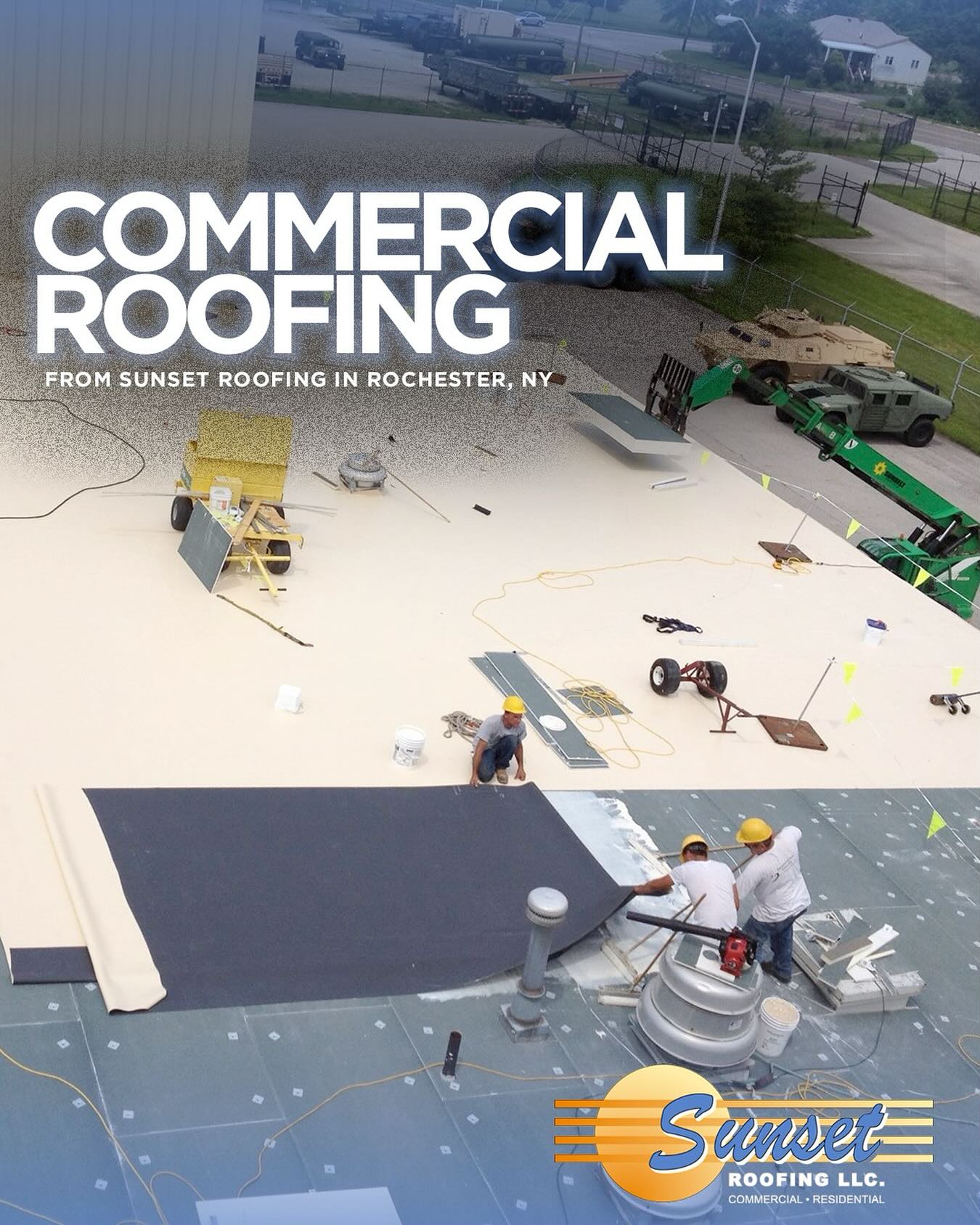
Western New York’s weather is anything but predictable. One day, you’re facing lake-effect snow and below-freezing temperatures — the next, a sudden warm-up melts everything in sight. For homeowners and business owners with flat or low-slope roofing systems, those drastic temperature swings are more than an inconvenience — they’re a major factor in roof wear and tear.
At Sunset Roofing LLC, we’ve seen firsthand how Rochester’s climate puts commercial and flat roofing systems to the test. The constant freeze-thaw cycles, thermal expansion, and moisture infiltration can shorten a roof’s lifespan if left unmanaged. Here’s what every property owner in Western New York should understand about how these temperature changes affect their flat roof — and what you can do to protect it.
The Rochester Climate Challenge
Rochester and the greater Western New York region are defined by extreme seasonal variation. Between December and March, temperatures can fluctuate from well below freezing to the mid-40s within 24 hours. These rapid changes create constant stress on flat roofs — especially those made from materials like TPO, EPDM, or modified bitumen.
Unlike pitched roofs, which shed snow and water more easily, flat roofs retain moisture. When that moisture freezes and expands, it can compromise seams, flashing, and drainage systems. Over time, these micro-movements lead to leaks, ponding water, and, in worst cases, structural fatigue.
Thermal Expansion and Contraction: The Hidden Enemy
Every roofing material expands and contracts with temperature changes — it’s a natural physical reaction. The problem in Western New York arises when these temperature swings are extreme and frequent. Here’s what happens:
- Expansion during warm spells: Roofing membranes stretch and expand when heated by the sun or warmer air temperatures.
- Contraction during cold snaps: When the temperature suddenly drops, those same materials shrink — sometimes within hours.
This back-and-forth movement strains seams, adhesives, and fasteners. Over time, it can lead to:
- Cracks in the membrane
- Loosened flashing around penetrations
- Wrinkles or bubbles in the roofing surface
- Leaks developing along joints or perimeter edges
Even newer flat roofs can experience premature wear without proper installation or maintenance. That’s why it’s essential to have your roof inspected by a certified contractor — especially after extreme weather swings.
The Freeze-Thaw Cycle and Water Intrusion
Rochester’s frequent freeze-thaw cycles are another culprit behind flat roof deterioration. When snow or ice melts during a mid-winter warm-up, that water seeps into even the smallest cracks or seams. As soon as the temperature drops again, the trapped moisture freezes and expands — widening those gaps and creating new pathways for water intrusion.
Over time, this cycle leads to membrane blistering, punctures, or separation from the underlying insulation board. If left unchecked, it can also cause interior leaks or damage to the roof deck itself.
To minimize this risk, commercial roof maintenance in winter should always include routine inspections for standing water, ice dams, or drainage backups. A quick mid-season check can often prevent costly spring repairs.
Why Proper Drainage Is Non-Negotiable
When it comes to flat roofs, drainage is everything — and Rochester’s weather makes that especially true. Even minor pooling after snowmelt can refreeze overnight, forming a heavy ice load that stresses seams and insulation.
At Sunset Roofing, we often find that drainage issues begin with clogged scuppers or blocked internal drains. Regular maintenance and seasonal clearing are critical to prevent ponding and ice buildup that can lead to leaks once temperatures rise again.
For commercial properties, we also recommend verifying slope adequacy during annual inspections. Over time, insulation layers can compress, changing the roof’s pitch and creating subtle low spots that trap water. These areas are particularly vulnerable during freeze-thaw periods.
Material Performance in Western New York’s Climate
Not all flat roofing materials perform equally under Rochester’s temperature extremes. Here’s a quick look at how the most common systems hold up:
| Material | Performance in Temperature Swings | Key Maintenance Tips |
|---|---|---|
| TPO (Thermoplastic Polyolefin) | Highly reflective and durable, but can shrink at seams under extreme cold. Performs best with heat-welded joints. | Inspect seams annually and repair any membrane shrinkage before winter. |
| EPDM (Ethylene Propylene Diene Monomer) | Excellent flexibility in cold weather; resistant to UV and thermal stress. However, adhesive joints can degrade over time. | Check lap joints and reapply seam tape or adhesive as needed. |
| Modified Bitumen | Strong under freeze-thaw stress but prone to cracking if improperly installed. | Ensure consistent granule coverage and repair minor surface splits promptly. |
| Metal Flat Roofs | Can expand and contract significantly; seams and fasteners require seasonal attention. | Tighten loose fasteners and reseal panel overlaps before winter. |
Insulation and Ventilation: Two Overlooked Factors
One of the most effective ways to combat temperature-related roof damage is by maintaining proper insulation and ventilation. A well-insulated roof keeps the deck temperature stable, minimizing freeze-thaw stress and preventing ice formation. Ventilation helps manage moisture levels, reducing condensation that can freeze and expand within the roof assembly.
Many commercial buildings in Rochester were constructed decades ago and lack sufficient insulation for modern energy and durability standards. Upgrading your insulation or adding a vapor barrier can dramatically improve roof performance and energy efficiency year-round.
Proactive Maintenance = Longer Roof Life
Flat roofs are designed to last 20+ years, but in Western New York’s volatile climate, that’s only possible with consistent maintenance. A professional inspection once in the fall and once in the spring ensures your roof can withstand temperature extremes without long-term damage.
Sunset Roofing’s preventive maintenance programs include:
- Visual and infrared inspections for moisture intrusion
- Drain and scupper cleaning
- Membrane seam repair and resealing
- Snow and ice management support
- Documentation for warranty and insurance compliance
By catching small issues early, you can avoid unplanned downtime and extend the life of your investment — even in the harshest winters.
When It’s Time for Professional Help
If you notice unusual roof movement, recurring leaks, or areas of persistent ponding after snowmelt, it’s time to bring in a professional. DIY fixes or patch jobs often fail in Rochester’s climate because they don’t address the root cause of damage: thermal stress and water infiltration.
Our commercial roofing team uses advanced diagnostics to assess your roof’s performance under temperature stress. Whether it’s repairing flashing, restoring membrane adhesion, or planning a full replacement, we tailor our approach to maximize long-term durability.
Protect Your Flat Roof This Winter with Sunset Roofing
Don’t let Western New York’s unpredictable weather catch you off guard. The best way to prevent costly roof failures is through proactive maintenance and expert attention from a local team that understands the region’s climate.
Call Sunset Roofing LLC today at (585) 538-6086 or visit our contact page to schedule your flat roof inspection or winter maintenance service. We’re here to help Rochester’s commercial and residential properties stay protected — no matter what the forecast brings.
‹ Back
Recent Posts
-
-
Why Fall Is the Best Season for a Roof Replacement in Rochester
September 17, 2026
-
Gutter Guards Before Leaf Season: Are They Worth It in Rochester?
September 10, 2026
-
Fall Roof Maintenance Checklist for Rochester, NY Homeowners
September 3, 2026
-