

Blog
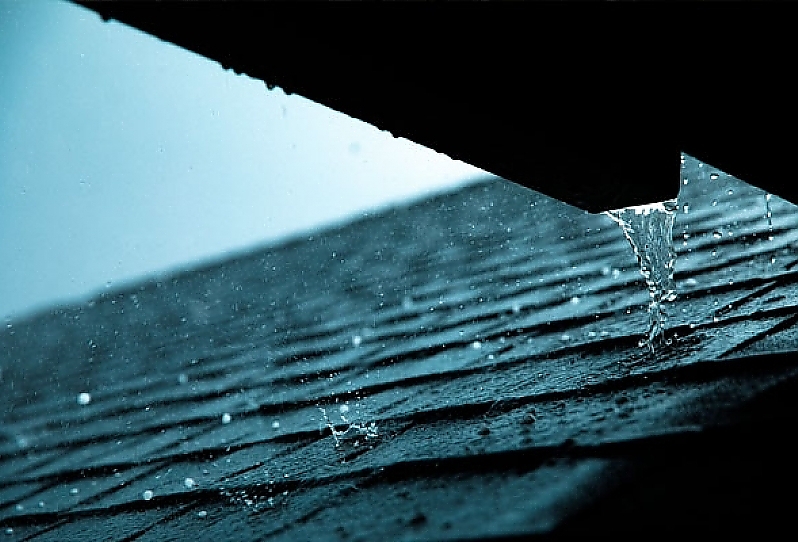
When a Rochester homeowner discovers a water stain on the ceiling, the first assumption is usually a failing roof: a worn shingle, a cracked vent boot, something on the broad field of the roof. Often, though, the real source is smaller and more specific. It is the flashing where the chimney passes through the roof. Chimney flashing is one of the single most common sources of roof leaks we are called to investigate, and it is also one of the most commonly misunderstood.
The reason is straightforward. A chimney is a large, immovable masonry structure punching straight through the watertight plane of the roof. Sealing that intersection against water, through every freeze-thaw cycle, every heavy rain, and every snow load Rochester produces, is a demanding job, and it depends entirely on flashing that is correctly designed and installed. When the flashing is done right, the chimney is no more likely to leak than any other part of the roof. When it is done wrong, it leaks, often within a few years.
This article explains how chimney flashing works, why it fails, and what a proper repair involves in our climate.
What Chimney Flashing Is and How It Works
Flashing is the system of metal pieces that seals the joint between the chimney and the surrounding roof. It is not a single part but a coordinated assembly, and each piece has a specific job.
Step flashing runs up the sides of the chimney, with individual L-shaped pieces woven between each course of shingles so that water running down the roof is directed away from the joint. Base or apron flashing seals the downhill front of the chimney. A cricket or saddle, a small peaked structure behind a wider chimney, diverts water around the uphill side so it does not pool against the masonry. And counter-flashing is set into a groove cut in the mortar joints of the chimney itself, overlapping the step flashing so water cannot get behind it.
That last detail is where quality really shows. Proper counter-flashing is embedded into the masonry and sealed, not simply caulked against the surface of the brick. Surface-caulked flashing looks fine on installation day and fails within a few Rochester winters as the caulk dries, cracks, and lets water behind it.
Why Chimney Flashing Fails in Rochester
Our climate is especially hard on chimney flashing, and the failures tend to follow predictable patterns.
Freeze-thaw cycling. Water that gets into any small gap in the flashing or the mortar freezes, expands, and widens the gap. The next thaw lets more water in, and the cycle repeats all winter. Rochester runs through this freeze-thaw process dozens of times a season, and it methodically opens up any weakness in the flashing.
Caulk-dependent installation. Flashing that relies on sealant rather than properly integrated metal and embedded counter-flashing is living on borrowed time. Caulk is a maintenance item, not a permanent seal, and once it fails the water has a direct path in.
Deteriorating mortar. The mortar joints that hold counter-flashing can erode over the decades, loosening the flashing and opening gaps. Aging masonry and aging flashing often fail together.
Rusted or aged flashing. Older flashing materials corrode over time, developing pinholes and weak spots. Flashing that has reached the end of its life will leak regardless of how well it was originally installed.
If you have noticed staining on a ceiling or wall near a chimney, the flashing is the first thing to check, and the sooner the better. Request a free inspection and we will trace the leak to its actual source.
The Warning Signs of a Flashing Leak
Chimney flashing leaks announce themselves in several ways, often well before serious damage occurs.
Inside the home, the clearest sign is water staining on the ceiling or walls in the vicinity of the chimney, sometimes appearing only after wind-driven rain or during snow melt. In the attic, you may see staining, dampness, or daylight around the chimney penetration. On the roof itself, visibly lifted, rusted, or separated flashing, or cracked and missing sealant, points directly to the problem. And on the chimney, white efflorescence staining or spalling brick can indicate that water is getting into the masonry through failed flashing above.
Because these leaks often appear intermittently, only with certain wind directions or during snow melt, they are easy to dismiss. That is a mistake. A small, intermittent leak is steadily wetting the roof structure, and the damage compounds quietly.
What a Proper Flashing Repair Involves
Repairing chimney flashing the right way is more than running a fresh bead of caulk, though that is, unfortunately, the “repair” many homeowners are sold. A lasting repair addresses the system.
It begins with diagnosing the actual point of entry, which is not always directly above the visible stain, since water travels along the roof structure before it drips. From there, a proper repair removes the failed flashing and installs new, correctly integrated step, base, and counter-flashing, with the counter-flashing set into the mortar joints rather than surface-sealed. Where the chimney is wide enough to trap water and debris on the uphill side, a cricket may be added to divert water around it.
If the surrounding shingles or underlayment have been compromised by the leak, those are repaired or replaced as part of the work, and the masonry is assessed for any mortar repair the flashing depends on. The goal is a chimney-to-roof intersection that sheds water as one continuous, durable system, not a patch that buys a season before failing again.
Trust Sunset Roofing to Stop the Leak at Its Source
For more than 35 years, Sunset Roofing has diagnosed and repaired chimney flashing leaks across Rochester and Western New York. We know how our freeze-thaw climate finds and exploits every weakness in a flashing installation, and we repair these leaks properly, with correctly integrated, embedded flashing that holds up through our winters rather than a cosmetic patch that fails by spring.
If you have seen staining near a chimney or suspect a flashing leak, do not wait for it to grow. Request a free inspection and estimate, contact our team with your concerns, or call us directly at 585-538-6086. Catching a flashing leak early is the difference between a straightforward repair and a major one, and we are glad to find the real source and fix it right.
‹ Back
Recent Posts
-

Why Fall Is the Best Season for a Roof Replacement in Rochester
September 17, 2026
-
Gutter Guards Before Leaf Season: Are They Worth It in Rochester?
September 10, 2026
-
Fall Roof Maintenance Checklist for Rochester, NY Homeowners
September 3, 2026
-
-
Summer Maintenance for Commercial Flat Roofs in Rochester, NY
August 21, 2026
