

Blog
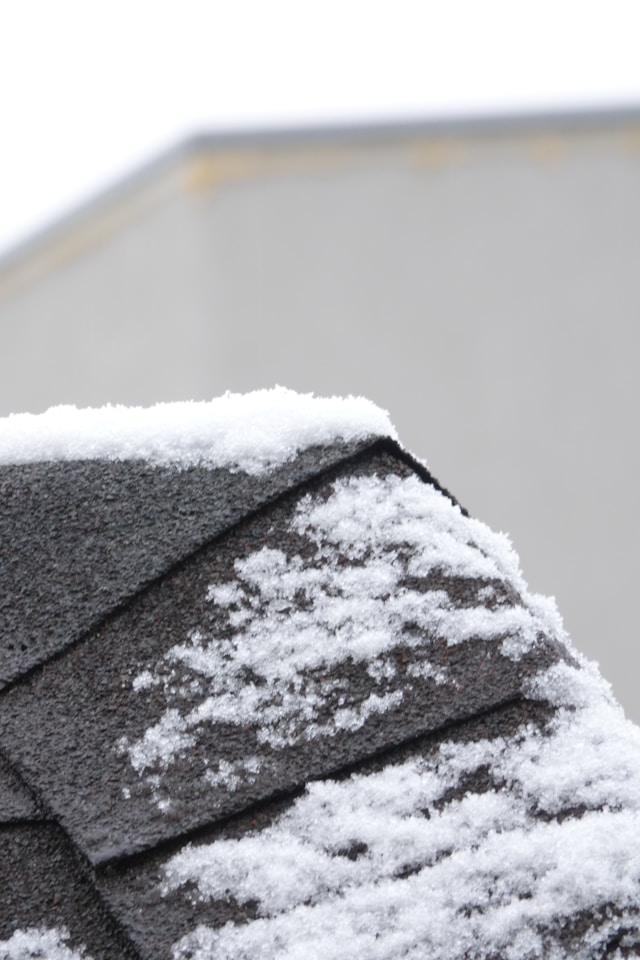
Living in Rochester, NY means experiencing real winters. Heavy snow, extended stretches of below-freezing temperatures, lake-effect storms, and rapid temperature swings are all part of life here. While most homeowners focus on snow accumulation, there is another winter threat that often goes unnoticed — freeze-thaw cycles.
Freeze-thaw damage doesn’t usually happen in one dramatic event. It happens quietly, gradually, and often invisibly. By the time you notice a ceiling stain, a draft, or missing shingles in spring, the damage may have been developing for months.
Understanding how Rochester’s winter temperature swings affect your roof can help you prevent costly repairs and extend the life of your home.
What Is a Freeze-Thaw Cycle?
A freeze-thaw cycle occurs when temperatures rise above 32°F during the day and drop below freezing again at night. In Rochester, this pattern can repeat dozens of times between December and March.
Here’s what happens during each cycle:
- Snow and ice melt when temperatures rise.
- Water seeps into small cracks, seams, or under shingles.
- Temperatures drop again overnight.
- The trapped water freezes and expands.
- Expansion widens cracks and lifts materials.
Water expands by about 9% when it freezes. That expansion creates pressure. Over time, repeated expansion and contraction can weaken roofing materials, underlayment, flashing, and even decking.
How Freeze-Thaw Cycles Damage Shingles
Asphalt shingles are built to handle weather exposure, but they are not immune to repeated expansion and contraction. When water works its way beneath shingles and refreezes, it can:
- Lift shingle edges
- Break adhesive seals
- Create small cracks in the surface
- Loosen granules
Once shingles are lifted or cracked, they become more vulnerable to wind damage. Rochester’s winter and early spring winds can then catch lifted edges and tear shingles completely off the roof.
The result? What started as minor freeze-thaw stress can turn into missing shingles and exposed underlayment by March or April.
The Hidden Role of Ice Dams
Freeze-thaw cycles are also directly connected to ice dams. Ice dams form when heat escapes from your attic, warming the roof surface and melting snow unevenly. Melted snow flows down toward the colder eaves, where it refreezes and forms a ridge of ice.
As this ridge builds, water has nowhere to go. It backs up underneath shingles and can leak into your home.
In Rochester, where snow can sit on roofs for extended periods, ice dams are common — especially on homes with poor insulation or ventilation.
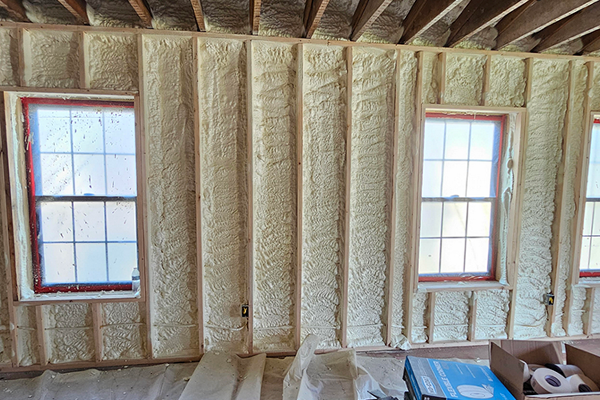
One of the most effective ways to reduce ice dam formation is improving attic insulation. Closed cell spray foam insulation creates an air-tight barrier that minimizes heat loss and helps maintain consistent roof temperatures during winter months.
Why Flashing Is Especially Vulnerable
Flashing protects some of the most sensitive areas of your roof: valleys, chimneys, skylights, vents, and wall intersections. These areas already manage higher water flow, making them prime targets during freeze-thaw cycles.
When water seeps into tiny seams in flashing and freezes, it can:
- Separate metal joints
- Crack sealant
- Create small openings for future leaks
Because flashing damage is often hidden beneath shingles or trim, homeowners may not notice a problem until interior damage appears.
Decking and Structural Impact
In more advanced cases, repeated moisture infiltration can reach the roof decking beneath your shingles. When wood decking absorbs water and repeatedly freezes, it can weaken over time.
Signs of potential decking issues include:
- Soft spots on the roof
- Sagging roof lines
- Persistent leaks
- Mold or mildew in the attic
Rochester’s long winters mean moisture exposure can continue for months, increasing the risk of structural deterioration if small problems are left unaddressed.
Why Damage Often Goes Unnoticed Until Spring
During winter, snow cover can conceal roof issues. Even if shingles are lifted or flashing is compromised, you may not see visible signs from the ground.
When spring arrives and snow melts fully, homeowners may suddenly notice:
- Water stains on ceilings
- Peeling paint
- Drips during rainstorms
- Missing shingles
By that point, the freeze-thaw damage has already occurred. That’s why proactive inspections are critical once winter begins to break.
How Closed Cell Spray Foam Helps Prevent Freeze-Thaw Damage
Insulation plays a larger role in roof health than many homeowners realize. Poor insulation allows warm air to escape into the attic, creating uneven roof temperatures that accelerate snow melt and refreezing.
Closed cell spray foam insulation provides several benefits in Rochester’s climate:
- Creates an air-tight seal
- Reduces heat loss
- Strengthens structural rigidity
- Minimizes moisture intrusion
- Improves energy efficiency
By stabilizing attic temperatures, closed cell spray foam helps reduce the conditions that contribute to ice dams and repeated freeze-thaw stress.
Warning Signs Rochester Homeowners Should Watch For
After a winter of fluctuating temperatures, it’s important to look for subtle indicators of roof stress:
- Granules collecting in gutters
- Curled or lifted shingles
- Damaged flashing around chimneys or vents
- Icicles forming repeatedly in the same areas
- Higher than normal heating bills
Even if no interior leaks are visible, exterior warning signs may signal early-stage freeze-thaw damage.
Why Early Action Saves Money
Small repairs are significantly less expensive than full roof replacements. Addressing minor flashing separations, resealing vulnerable areas, or replacing a handful of compromised shingles can prevent much larger structural repairs later.
Rochester’s weather patterns are not changing. Freeze-thaw cycles will continue every winter. The question is whether your roof is prepared to handle them.
Schedule a Professional Roof Evaluation in Rochester
If your roof has gone through another Rochester winter, now is the right time to have it evaluated. Even if everything appears fine from the ground, a professional inspection can identify small vulnerabilities before they become major problems.
Sunset Roofing works with homeowners throughout Rochester and surrounding areas to assess winter damage, perform necessary repairs, and recommend insulation upgrades when needed.
Don’t wait until spring rain exposes hidden damage.
Schedule your inspection today by visiting: Get a Free Estimate!
Protect your home, extend the life of your roof, and make sure Rochester’s freeze-thaw cycles don’t quietly cost you thousands in preventable repairs.
‹ Back
Recent Posts
-
What to Do When Your Roof Starts Leaking During a Storm
October 8, 2026
-
-
-
-
Why Fall Is the Best Season for a Roof Replacement in Rochester
September 17, 2026
