
Blog
There is a common tendency among homeowners to think about their roof only when something has already gone wrong. A wet spot on the ceiling, a missing shingle visible from the driveway, or a neighbor who just replaced their roof and nudged you to think about yours. Reactive roofing — responding to problems after they develop — is the most expensive way to manage this essential part of your home. It consistently produces higher repair costs, more extensive damage, and shorter roof lifespans than the alternative.
The alternative is proactive roof maintenance: a structured, regular program of professional inspection and preventive care that keeps your roofing system performing at its best, catches problems while they are still inexpensive to fix, and creates a documented record that protects both your warranty coverage and your standing with your homeowner's insurance company.
For Rochester homeowners, where the climate is genuinely demanding and roofs work hard every single year, a maintenance plan is not a luxury. It is one of the most cost-effective investments a homeowner can make in their property.
What Rochester's Climate Does to Roofs Over Time
To understand why maintenance matters, start by understanding what your roof is dealing with across a typical year in Western New York.
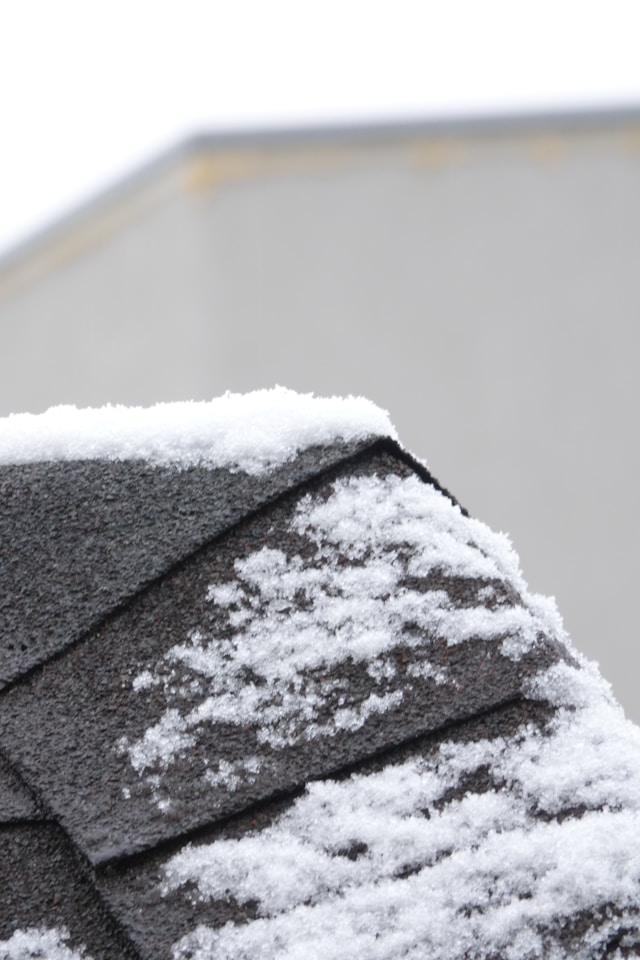
Winter: Lake-effect snowfall accumulates on your roof — sometimes rapidly and in enormous quantities. That weight stresses the structure and creates conditions for ice dam formation when attic heat escapes through the deck. Freeze-thaw cycling — temperatures rising above and then falling back below 32 degrees Fahrenheit — happens dozens of times through late fall, winter, and early spring. Each cycle causes roofing materials to expand and contract, gradually working seams apart, fatiguing sealants, and stressing the adhesive bonds that hold shingles in place. Ice forms in gutters and at the eave, potentially backing water under the shingles and into the structure.
Spring: Snowmelt creates significant water volume running across the roof surface and through the drainage system. Any gaps, failed seams, or compromised flashings that developed through winter are exposed by sustained water. High spring winds can lift shingles that were weakened by winter cold and ice.
Summer: UV radiation from the summer sun steadily degrades asphalt shingles, accelerating granule loss and oxidizing the asphalt that gives shingles their flexibility. Attic heat buildup — which can reach 150 degrees Fahrenheit or more in poorly ventilated attics — accelerates this degradation dramatically. Summer thunderstorms bring hail, heavy rain, and high winds that stress and sometimes damage roofing systems.
Fall: Falling leaves clog gutters, setting up ice dam conditions for the coming winter when blocked gutters cause water to overflow and refreeze at the eave. Cooling temperatures and the return of freeze-thaw conditions begin stressing the roof again. Any vulnerabilities that were not addressed after spring and summer are now going to face another Rochester winter unprotected.
This cycle repeats every year. A roof that is never maintained is aging through each of these stresses without any intervention. A roof that receives regular professional attention has problems caught and corrected between these stress cycles, dramatically extending its effective service life.
What a Professional Roof Maintenance Inspection Covers
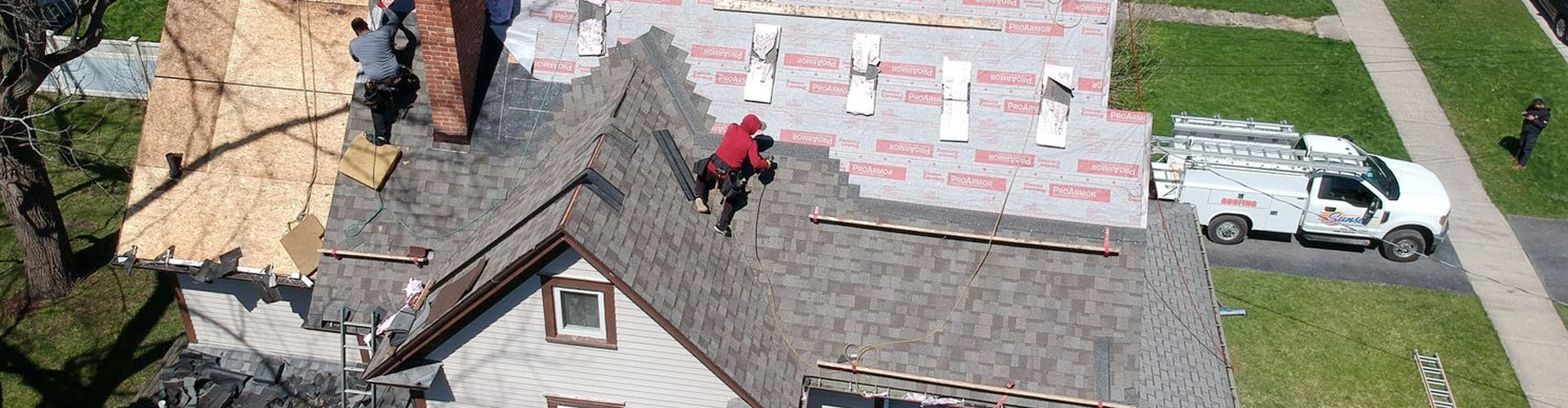
Not all inspections are equal. A walk-around from the ground with a pair of binoculars is better than nothing, but it is not a professional inspection. Sunset Roofing's roof maintenance program is conducted by experienced technicians who physically examine the entire roof surface and all related components, including:
The Roof Surface
Every section of the roof is examined for shingle condition — looking for missing shingles, lifted tab edges, cracking or splitting, excessive granule loss, blistering, cupping, and any sections where shingles have become unbonded from those below. Problem areas are documented with photographs and specific location notes so repairs can be precisely targeted.
Flashing at All Penetrations and Transitions
Flashing is the metal material that seals every point where the roof meets a vertical surface or where different roof planes intersect. Chimney flashing, skylight flashing, dormer flashing, valley flashing, pipe boot flashings, and drip edge are all examined for lifting, cracking, rust, failed sealant, or separation from the surface they protect. Failed flashing is the most common entry point for water in residential roofing systems.
Gutters and Drainage
Gutters, downspouts, and all drainage components are inspected for blockages, damage, sagging, and proper water flow. Gutters that are pulling away from the fascia, cracked, or improperly sloped are identified and addressed. Downspout discharge locations are checked to confirm water is being directed away from the foundation.
Attic Conditions
Where accessible, the attic space is assessed for signs of water intrusion, evidence of moisture damage on rafters and decking, insulation condition, and ventilation effectiveness. Many roof problems reveal themselves first in the attic, and including the attic in the inspection gives a more complete picture of the roof system's overall condition.
Soffit and Fascia
The soffit panels that cover the eave underside and the fascia boards at the roof edge are examined for rot, pest intrusion, paint failure, and damage. Damaged soffits compromise attic ventilation and create pest entry points. Rotten fascia boards cannot properly support gutters.
Ventilation Assessment
Proper attic ventilation is essential for both roof longevity and ice dam prevention. The inspection confirms that ridge vents, soffit intake vents, and any mechanical ventilation components are unobstructed and functioning. Blocked ventilation is a common contributor to accelerated shingle aging and ice dam formation in Rochester homes.
The Written Report: Why Documentation Matters
A professional maintenance inspection is not complete without a written report. At Sunset Roofing, every maintenance inspection produces a documented report that includes photographs of all areas examined, specific notes on conditions found, recommendations for any repairs needed, and a record of any work completed during the visit.
This documentation has value beyond simply knowing what was found:
Warranty protection: Most roofing material warranties — and especially the enhanced warranties available through manufacturer-certified contractors — require documented regular maintenance. If a warranty claim is ever submitted, the manufacturer will ask for this maintenance record. Without it, claims can be denied even when the damage is clearly a material defect. Sunset Roofing is an Owens Corning Platinum Preferred Contractor, and our maintenance documentation supports the warranty coverage our customers have invested in.
Insurance claim support: When storm damage occurs and an insurance claim is filed, insurers sometimes attempt to attribute damage to pre-existing neglect rather than the covered storm event. A clean maintenance record demonstrating regular professional care makes this argument very difficult to sustain. Homeowners with documented maintenance history consistently have better outcomes in storm damage claims.
Informed long-term planning: A maintenance report gives you a clear, current picture of where your roof stands — how much service life remains, what areas need attention now versus soon, and when replacement planning should begin. This information is valuable for budgeting and for making informed decisions about home improvement priorities.
When to Schedule Roof Maintenance in Rochester
The standard recommendation for Rochester homeowners is a minimum of two professional inspections per year: one in spring, after the winter season has ended, and one in fall, before temperatures drop and snow begins. This cadence ensures that any damage from winter is caught and repaired before spring rains arrive, and that any deterioration from summer is addressed before it has to survive another Rochester winter unprotected.
In addition to scheduled inspections, a professional assessment should be scheduled after any significant weather event — a major hailstorm, a windstorm with gusts above 50 miles per hour, a heavy ice storm, or any event that causes visible damage to trees or structures in your neighborhood. Even if your roof appears intact from the ground, a professional inspection after a significant storm will identify damage that is not visible from ground level but that will shorten the roof's service life if left unaddressed.
Roofs that are older than 15 years may benefit from more frequent attention — annual inspections rather than semi-annual, as the risk of developing problems increases with age.
Small Repairs: The Core of Maintenance Value
The most direct financial benefit of regular roof maintenance comes from the small repairs that are identified and completed during maintenance visits. A cracked pipe boot seal that costs a few hundred dollars to replace during a scheduled maintenance visit costs nothing compared to the water damage it would have caused if left until it failed completely. Lifted flashing around a chimney that is re-secured and re-sealed before a season of heavy rain saves thousands of dollars in interior repairs.
This is the core premise of maintenance: catching things early, when they are small and inexpensive, prevents them from becoming large and costly. The math is not complicated. It consistently works in favor of the homeowner who maintains their roof versus the one who does not.
Roof Maintenance for Commercial Properties
Commercial building owners and property managers face all the same maintenance imperatives as homeowners, often at greater scale and with greater consequences for failure. A leaking commercial roof disrupts operations, damages inventory, creates liability concerns, and may trigger tenant lease provisions. Commercial roofing warranties from manufacturers like GAF and Firestone consistently require documented regular maintenance — often twice annually — as a condition of warranty coverage.
Sunset Roofing's maintenance services extend to commercial roofing systems of all types, including flat membrane roofs (TPO, EPDM, PVC, modified bitumen) and commercial metal roofing. Our maintenance programs for commercial properties are structured to meet warranty requirements, minimize disruption to business operations, and provide the detailed documentation that property managers and owners need.
Pairing Maintenance with Spray Foam Insulation
For Rochester homeowners looking to maximize the value of their roofing investment, combining a maintenance plan with attic insulation improvements is a powerful strategy. Spray foam insulation addresses the underlying causes of ice dam formation, reduces energy costs year-round, and protects the roof decking from the moisture cycling that shortens its service life. When the attic system and the roof surface are both well-maintained and properly insulated, the entire roofing system performs better and lasts longer.
Sunset Roofing offers both services, which means we can assess and address your roof and attic as the connected system they actually are — rather than as isolated components addressed by different contractors with no coordination.
Getting Started with a Roof Maintenance Plan
Starting a maintenance plan is straightforward. The first step is a baseline inspection that establishes the current condition of your roof, identifies any immediate concerns, and creates the documented starting point for ongoing maintenance records. From there, scheduled visits keep the roof on track and the documentation current.
If you have not had a professional roof inspection recently — or if you cannot recall when the last one occurred — now is the right time. Spring is an ideal moment to begin, as you have just come through a Rochester winter and any seasonal damage can be assessed and addressed before summer arrives.
Sunset Roofing serves homeowners and commercial property owners throughout Rochester and Western New York. Our team brings over 35 years of local experience, GAF certification, and a genuine commitment to doing the job right the first time and every time after that.
Request your free roofing maintenance estimate today, visit our roof maintenance services page to learn more, or call our team directly at 585-538-6086. Your roof protects everything beneath it. It deserves the same care in return.
‹ Back
Recent Posts
-
-
-
What to Do When Your Roof Starts Leaking During a Storm
October 8, 2026
-
-